AI fashion imagery QC checklist · 8 min read
AI Fashion Imagery QC Checklist
A production-ready checklist for reviewing AI fashion imagery against product truth, anatomy, identity, art direction, channel requirements and delivery specifications.
By Surajnarayanan SUpdated
Direct answer
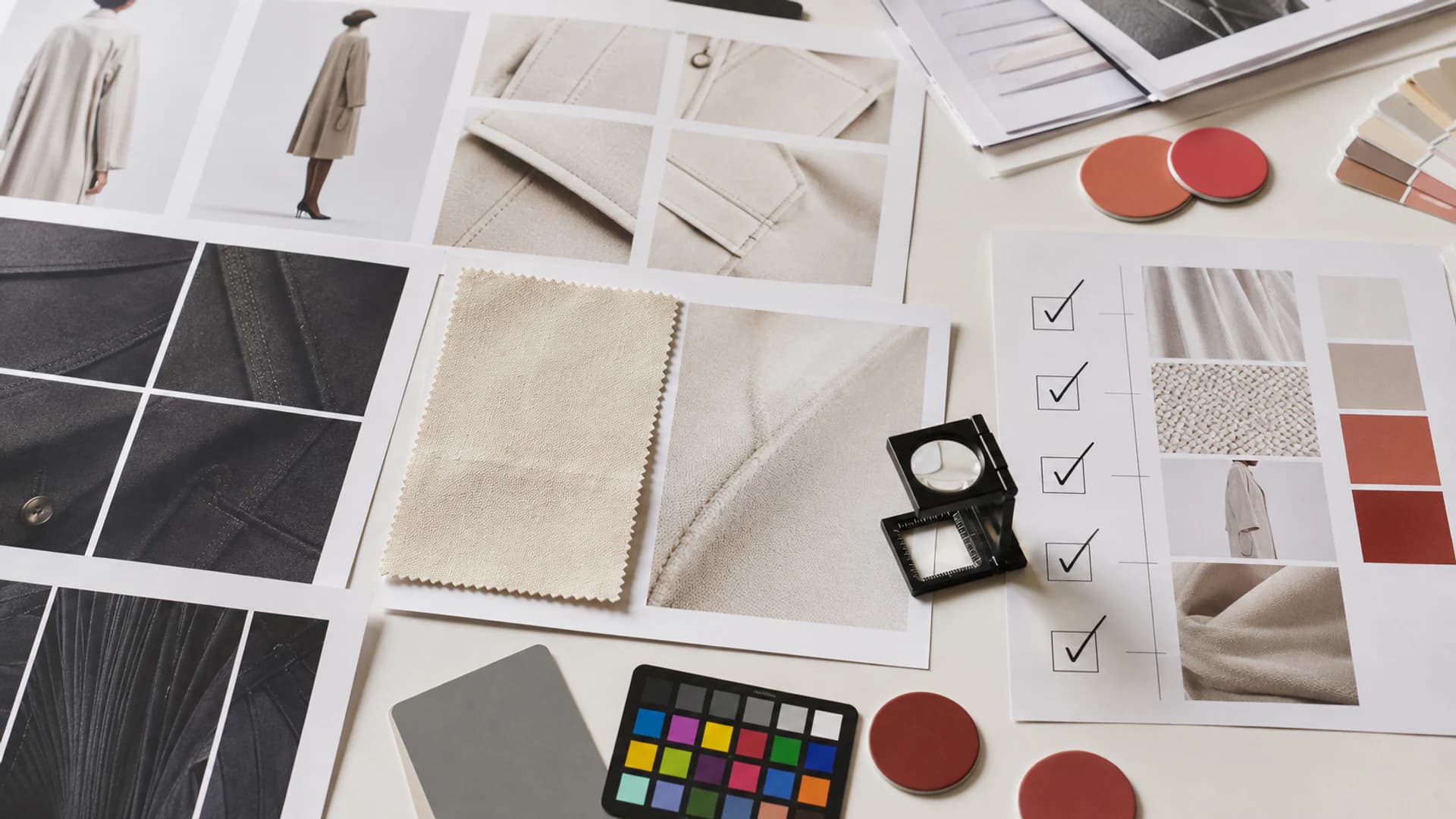
Review AI fashion imagery in six gates: source eligibility, product and garment fidelity, anatomy and identity, visual continuity, technical channel compliance, and final delivery integrity. Any frame that cannot be corrected without changing product truth should be held or rejected rather than passed downstream.
Best for
- +Fashion ecommerce production and postproduction teams
- +Brands defining acceptance criteria for an AI imagery pilot
- +Studios building a repeatable human-QC route
Not designed for
- -A substitute for brand, legal or rights approval
- -A promise that every defect can be repaired
- -Unreviewed bulk generation
Gate 1 — source eligibility
- Required product views and details are present.
- Resolution, crop and compression are suitable for the route.
- Rights, permitted uses and reviewer ownership are recorded.
- The frame is held when critical product information is missing.
Gate 2 — product and garment fidelity
Print, lace, colour, neck joins and silhouette are the holds explained in why DIY AI fashion images fail on garment fidelity. This gate is the check. That guide is why DIY outputs miss them.
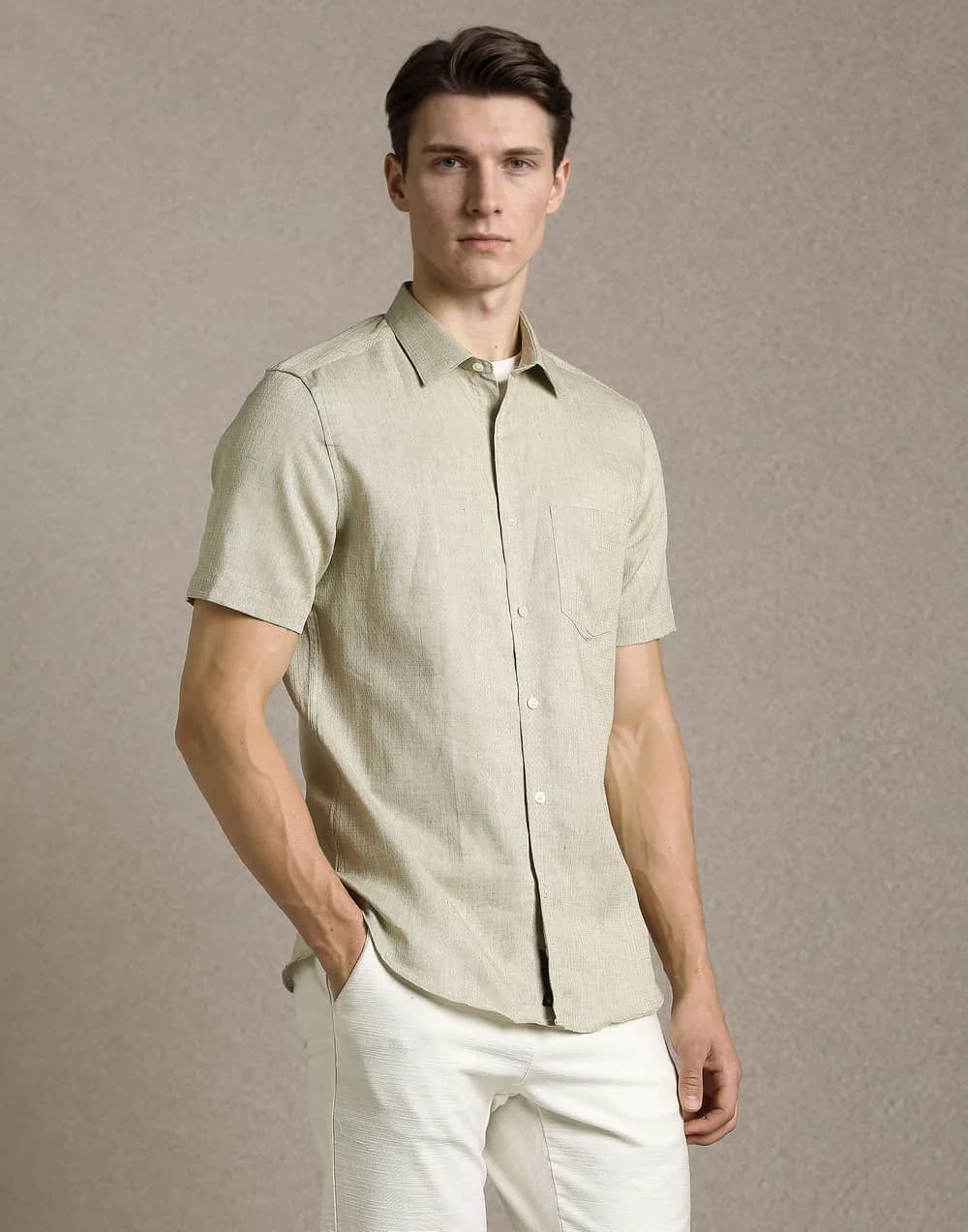
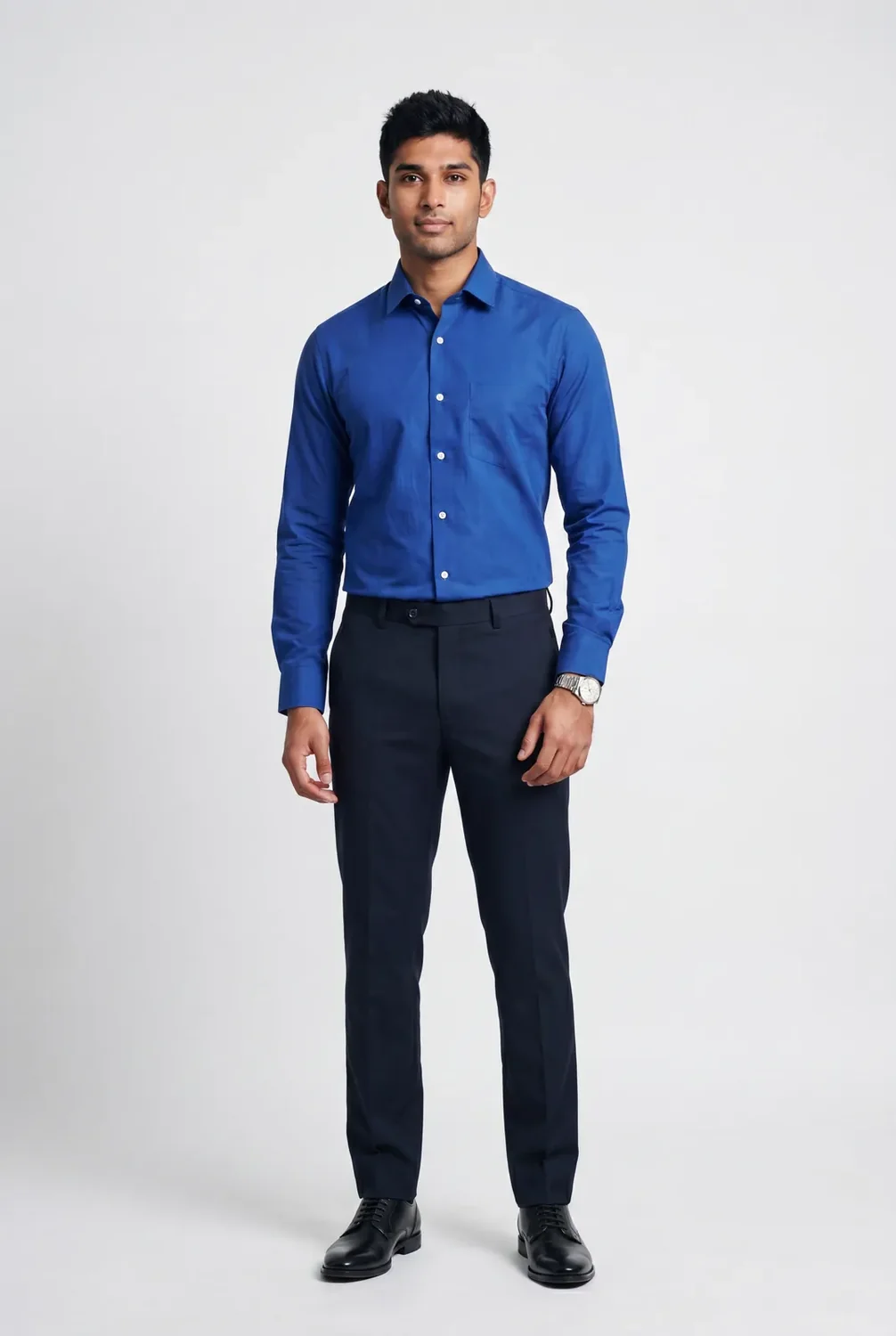
- Silhouette, length, fit and construction match the source.
- Logos, labels, closures, seams and hardware are unchanged.
- Print scale, placement, texture and colour remain credible.
- Hands, hair or props do not hide required product details.
Gate 3 — anatomy and identity
When the same person must stay recognisable across a catalogue or campaign family, the operating model is fashion AI identity lock. This gate checks the frame. That guide defines the reference pack, route rules and holds.
- Face, gaze, skin, ears, hairline and neck transitions are coherent.
- Hands, fingers, limbs and joints are anatomically credible.
- The approved identity remains consistent across the image family.
- No unintended person, feature or identity appears in the output.
Gate 4 — visual and family continuity
- Pose, camera angle, scale and framing match the selected route.
- Lighting direction, shadow, grain and sharpness remain coherent.
- Background, surface and colour treatment follow the golden reference.
- The frame belongs to the same image family when viewed beside the set.
Gate 5 — channel and technical compliance
Visual accuracy is not generative-AI disclosure. If the frame ships to Shopping, Google Merchant Center AI product images covers IPTC DigitalSourceType and why CDN delivery can strip it. A visible EU label is a separate duty from that metadata. EU AI Act and AI fashion product images covers Article 50 labels and marking. Background, aspect, and on-model versus packshot rules by sales channel are fashion ecommerce image guidelines by channel.
- Dimensions, aspect ratio, file type and maximum size are correct.
- Safe areas and required crops preserve the product.
- Colour profile, transparency and background rules are satisfied.
- The image accurately represents the product for the intended channel.
Gate 6 — delivery and audit trail
Use pass, correct, hold and reject as distinct states. This prevents uncertain frames from being treated as completed work and gives the production team a measurable exception queue. When those holds are what stall a drop calendar, the operating-model diagnosis is the fashion catalogue production bottleneck guide. Shopify brands running that cadence as an on-model programme should read Shopify batch on-model AI product photos. When the same holds belong to a launch family rather than a catalogue book, the route chooser is AI campaign vs catalogue production. How that family stays one look is AI campaign image families. When the prior question is whether this brief should use AI at all, the decision boundary is when not to use AI fashion images. When buyers mix a shopper try-on with finished on-model assets, the route distinction is virtual try-on vs on-model catalogue imagery. When the commercial question is a fashion shoot versus a managed AI programme, the cost-driver comparison is fashion shoot cost vs AI production.
- Only approved versions enter the delivery package.
- File names, SKU mapping, view codes and folder structure are correct.
- Corrections, holds and rejections have an owner and status.
- A final spot check confirms the delivered file opens and matches the approved record.
Evidence and sources
- The studio-partner AI head swap production route supports around 8k images a month. Verified 2026-09-05.
- Commerce images must accurately display the product and meet channel image requirements. Verified 2026-08-05.
- Google Merchant Center image requirements - Primary channel guidance for product-image accuracy and format.
- Google Merchant Center product data specification - Primary reference for product data and image attributes.