AI product photography vs traditional photography · 7 min read
AI Product Photography vs Traditional Photoshoots
Compare AI product photography with traditional photoshoots by input quality, fidelity, art direction, review load, rights, speed and recurring production fit.
By Surajnarayanan SUpdated

Direct answer
AI product photography is strongest when reliable product inputs, repeatable visual rules and human QC can turn recurring work into a controlled production route. Traditional photoshoots remain stronger when physical product behaviour, complex interaction, exact material capture or exploratory art direction must be resolved on set. Many teams need a hybrid system rather than an all-or-nothing replacement.
Best for
- +Teams choosing a production method for recurring ecommerce imagery
- +Brands comparing cost drivers rather than only cost per image
- +Creative teams deciding which work should remain physical
Not designed for
- -Anyone seeking a universal claim that AI replaces photography
- -Projects where product inputs and rights are unresolved
- -Evaluations based only on ideal demo images
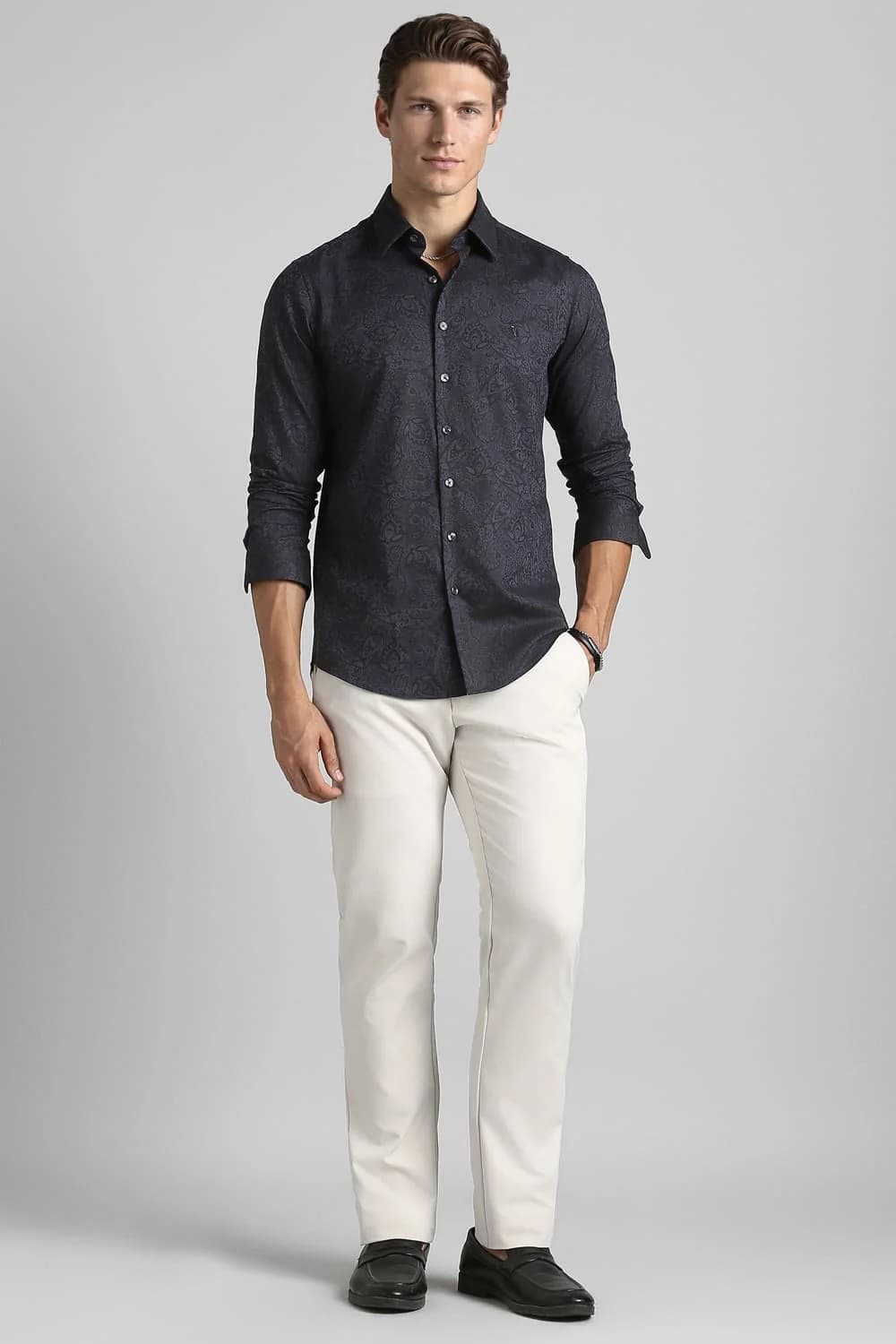
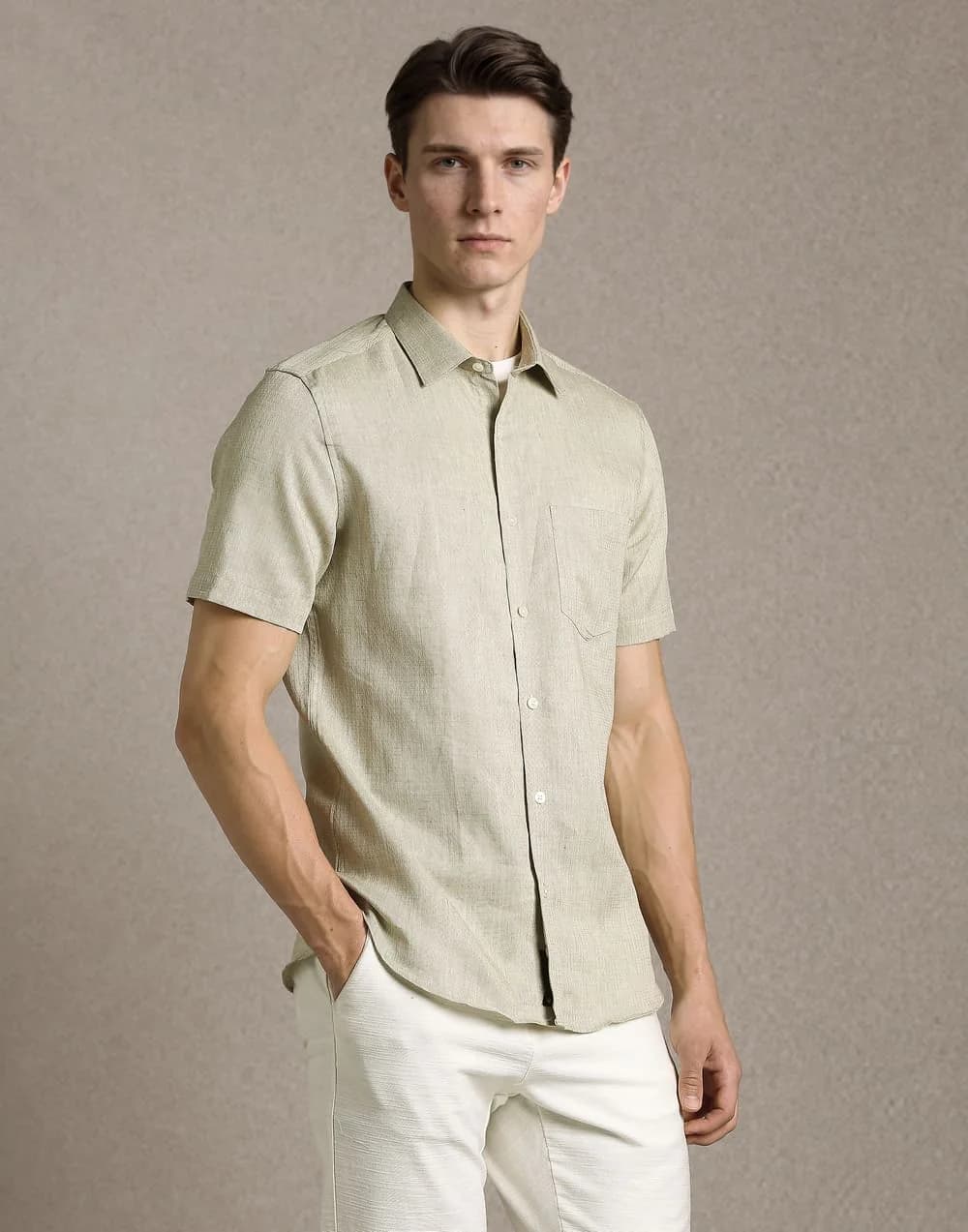
The correct choice depends on the production job
| Factor | AI production service | Traditional photoshoot |
|---|---|---|
| Best fit | Repeatable routes and recurring variants | Physical capture and exploratory on-set direction |
| Primary inputs | Approved product assets, references and rules | Products, set, crew, talent and equipment |
| Change cost | Often lower inside an approved route | May require retouching or a reshoot |
| Main risk | Input drift and unnoticed generation defects | Scheduling, logistics and reshoot exposure |
| Quality control | Human review against source and golden reference | On-set decisions plus postproduction review |
Use traditional capture when physical truth is the unresolved problem
A physical shoot is often the safer choice when the material, fit, movement, reflection or product interaction cannot be represented reliably from existing inputs. It is also valuable when the creative direction must be discovered through collaboration on set rather than executed from a selected route.
Use AI production service when the route can be specified
AI production becomes commercially useful when inputs and acceptance rules are stable enough to repeat. The provider must still check fidelity, route difficult frames for correction and package only reviewed outputs. The production value comes from a maintained system, not from generating a large number of unchecked options.
Calculate the cost beyond the frame
Compare the fully reviewed and usable delivery, not the cheapest generated or captured frame. A method that shifts correction work to the client may be more expensive even when its unit price is lower.
- Source preparation and asset cleanup
- Talent, crew, set, travel and scheduling
- Generation or processing time
- Human QC and correction effort
- Reshoots, reruns and exception management
- Crops, formats, naming and channel delivery
A hybrid route is often the practical answer
Teams can use physical capture for product truth or hero material, then use a controlled AI-human route for approved variations, recurring catalogue needs or bounded transformations. The dividing line should be quality and production responsibility, not a preference for one technology.
Evidence and sources
- The studio-partner AI head swap production route supports around 8k images a month. Verified 2026-09-05.
- Approved production proof comes from a confidential studio-partner fashion catalogue programme. Verified 2026-08-11.
- Commerce images must accurately display the product and meet channel image requirements. Verified 2026-08-05.
- Google Merchant Center image requirements - Primary requirements reinforcing accurate product representation.
- US Copyright Office AI initiative - Primary source for current US copyright guidance and reports concerning AI.