AI Catalogue Production · 4 min read
Brand-owned AI characters versus recurring model day-rates
How AI catalogue production can create consistent, rights-controlled imagery without turning the workflow into another software tool.
By Surajnarayanan SUpdated

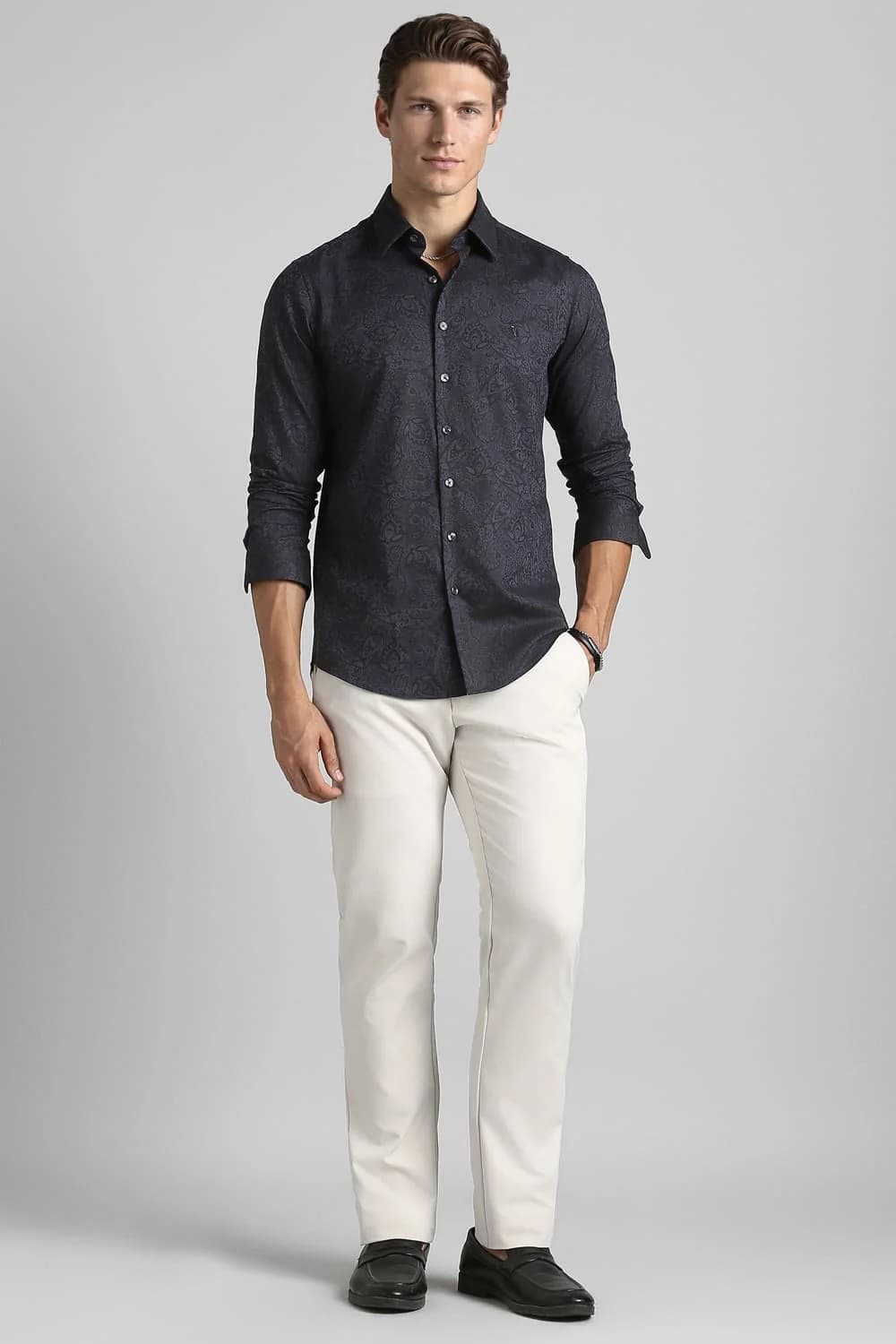
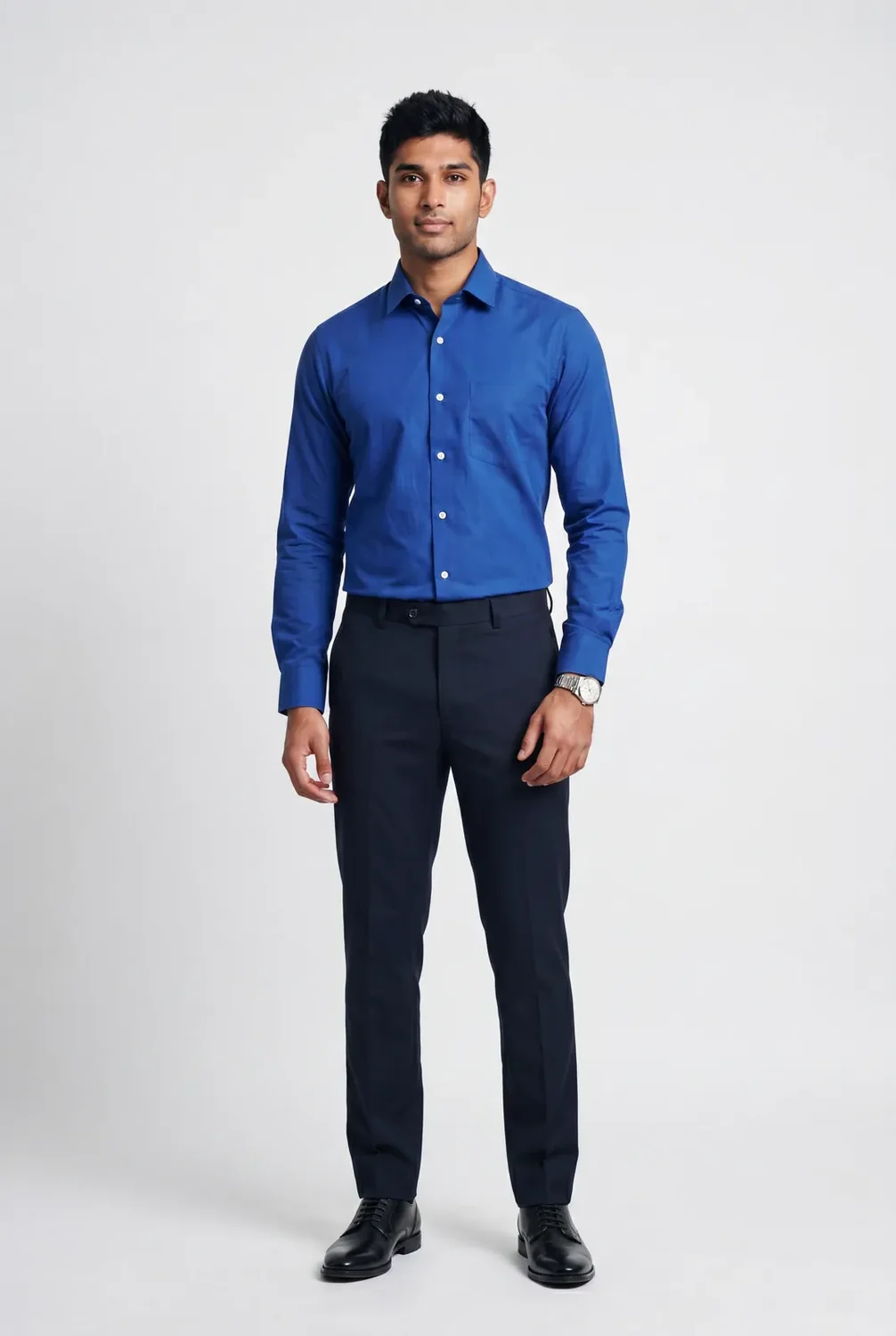
Fashion catalogue teams need visual consistency across recurring product drops, but conventional model usage can introduce availability, renewal and continuity constraints. The production question is not simply how to create a synthetic face. It is how to maintain a coherent, rights-controlled visual identity across a live catalogue.
Rights and consistency have to be designed together
A synthetic character can be commissioned under explicit ownership and usage terms, then reviewed as part of the brand's production system. Those terms still need to be agreed in contract. The practical advantage is a stable visual reference that can be carried through future catalogue work without treating each shoot as a disconnected casting decision. The licensing and consent questions to settle first, and how self-serve tools compare with managed production, are in our guide to AI fashion models.
The offer is studio-operated production, not a character tool
The character is one controlled input inside a larger production route. 8M Studio manages source checks, transformation human review, correction and approved delivery. Clients buy the finished catalogue outcome and the accountability around it, rather than access to software they must operate themselves.
Proof at catalogue volume
This production route supports around 8k images a month within a confidential studio-partner fashion catalogue programme. The meaningful proof is not generation alone; it is the repeatable combination of garment fidelity, visual consistency, human QC and exception handling at that volume.
A paid pilot should test the real production contract
A useful evaluation starts with representative product inputs, the intended view set, brand rules and clear approval criteria. That is the basis for a scoped paid catalogue pilot, not an isolated demo image. Explore AI catalogue production.
Written and reviewed by Surajnarayanan S. Updated 2026-09-06. Review follows the editorial and public claims policy.