Loading
Guides
Practical guides for planning and operating fashion image production, covering product truth, channel rules, human QC and approved delivery.
If you are comparing Botika and Claid, start with Botika versus Claid for a managed studio. If you already run Botika and are weighing a switch, read Botika alternative for managed production. A Shopify drop that needs on-model PDPs across a calendar is Shopify batch on-model photos. Export rules for Shopify, Amazon Fashion and marketplace catalogues are fashion image guidelines by channel. Amazon's metadata keyword for a photorealistic AI model is Amazon's guide to AI-generated model images. Approved production write-ups, without client names, are on the case studies page.
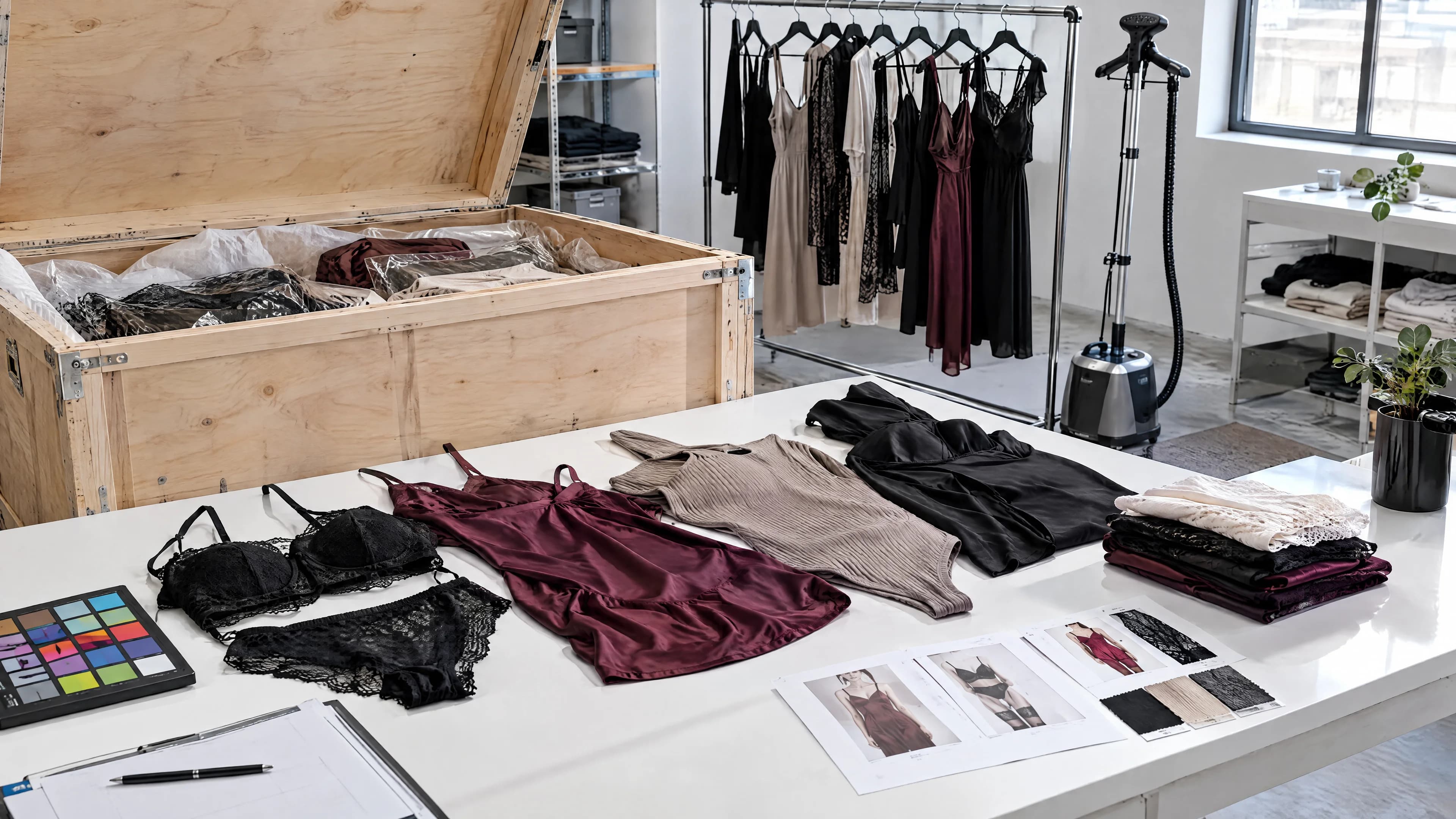
Guide · 5 Aug 2026
How to Outsource Ecommerce and Fashion Image Production
A practical framework for outsourcing ecommerce and fashion image production without losing product fidelity, review control or delivery accountability.
Read guide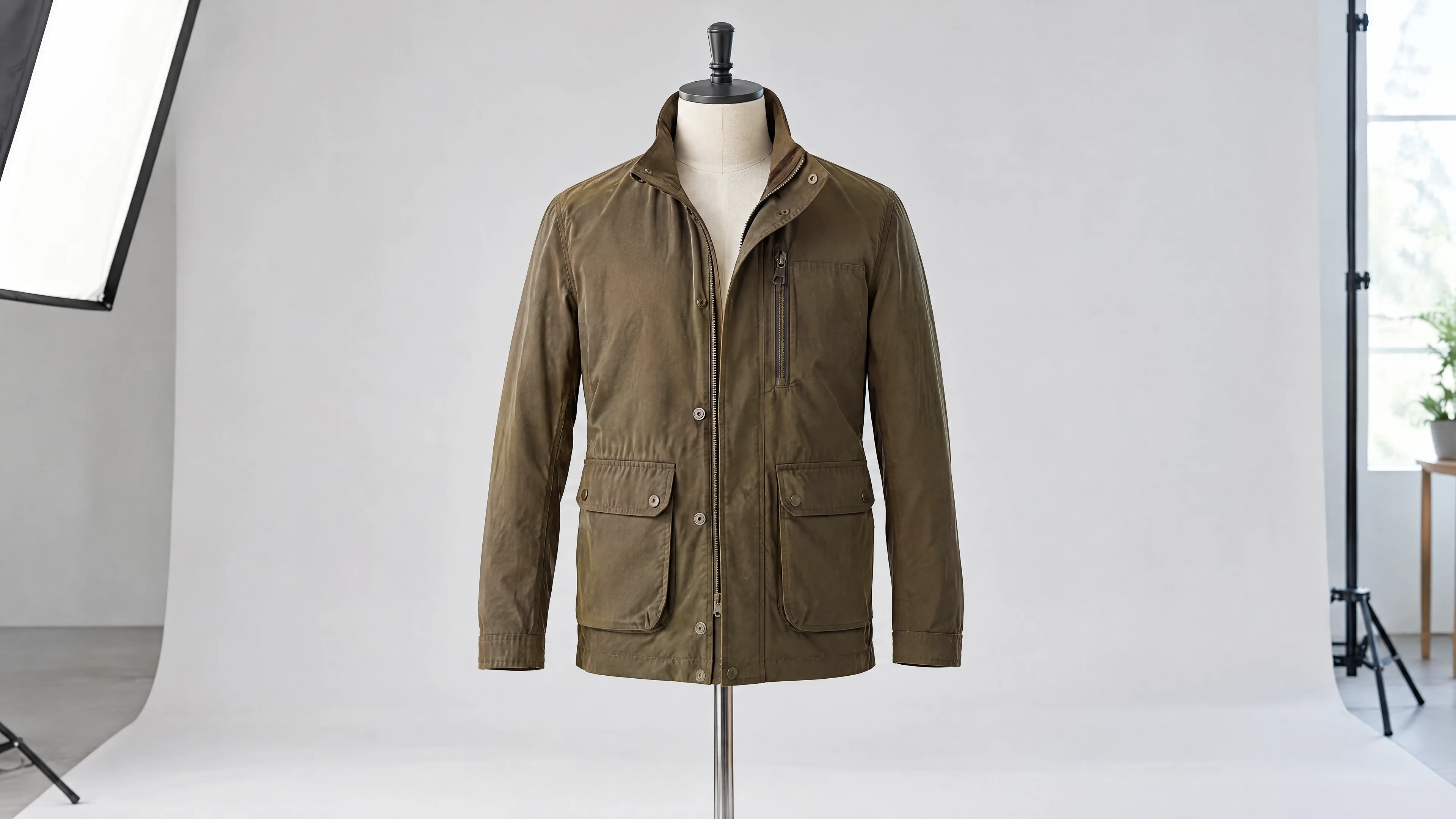
Guide · 13 Aug 2026
Complete Ecommerce Product Photography Guide
A practical guide to planning ecommerce product photography around product truth, channel requirements, image-family consistency, review control and approved delivery.
Read guide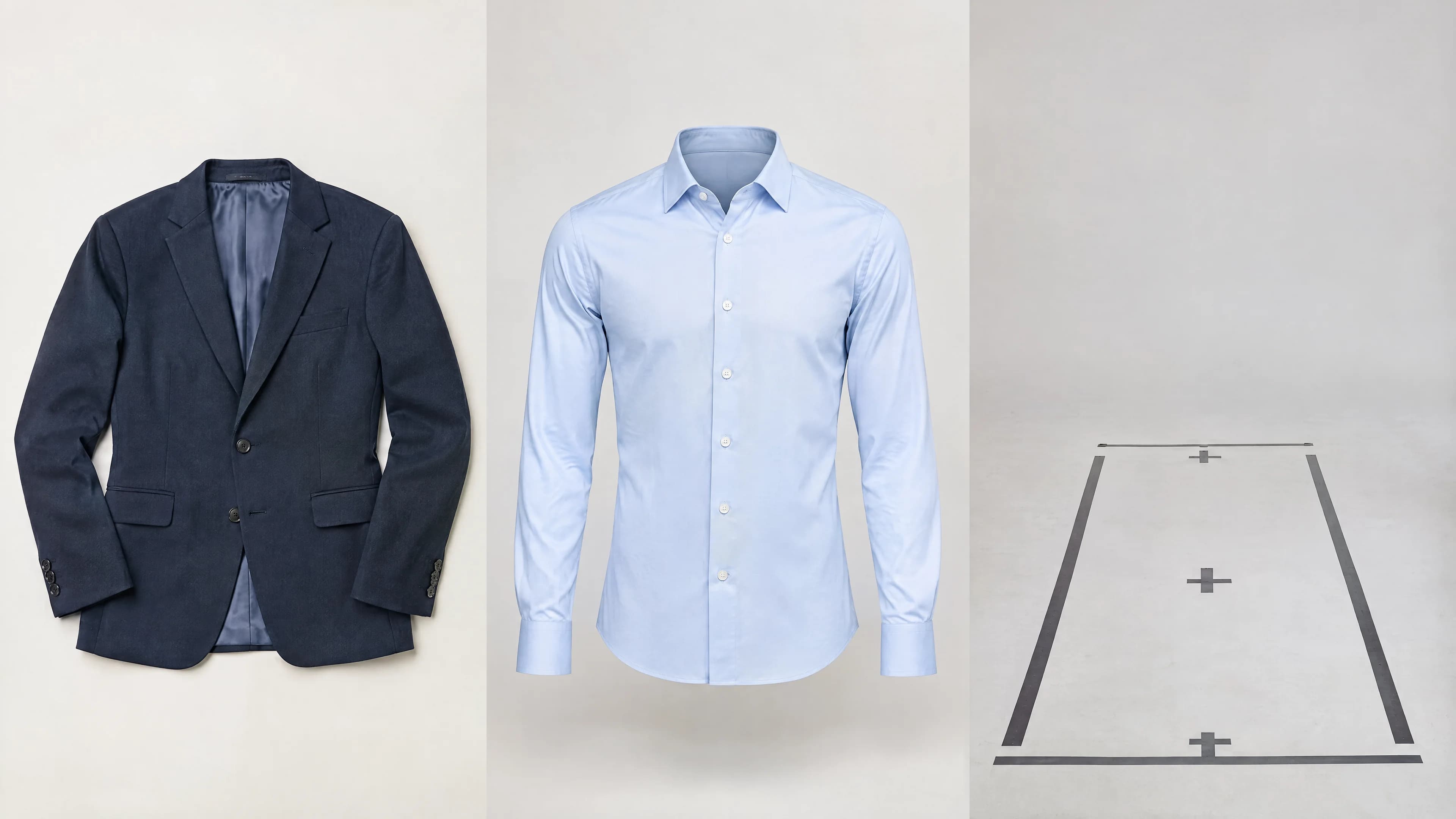
Guide · 4 Sept 2026
How to Choose Fashion Product Photography Services
A practical buyer's guide to comparing product photography services by image scope, product fidelity, human QC, exception ownership, pricing and delivery readiness.
Read guide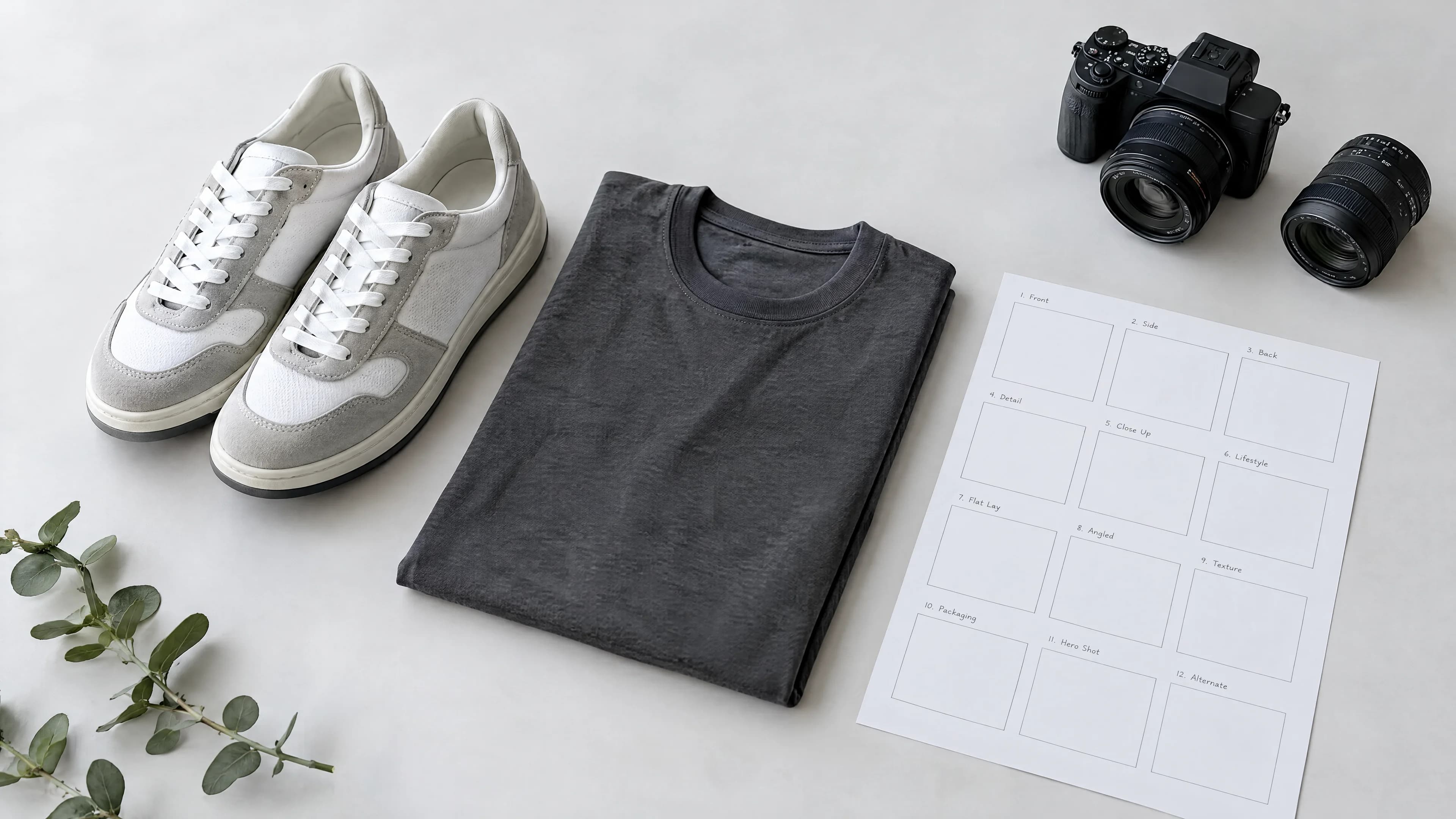
Guide · 13 Aug 2026
Fashion Ecommerce Product Photography Shot List: 7 Image Jobs Every SKU Should Cover
A practical fashion ecommerce product photography shot list covering PDP views, product details, channel crops, quality control and delivery rules.
Read guide
Guide · 13 Oct 2026
Fashion Product Photography Pricing for Ecommerce
Compare product photography pricing models, published US price examples, hidden production costs and AI, studio or managed routes for fashion ecommerce.
Read guide
Guide · 6 Oct 2026
How to Choose a Ghost Mannequin Service for Apparel
Compare ghost mannequin photography vs editing vs AI-assisted routes. Agree views, inserts, neck joints, and QC before you price a catalogue batch.
Read guide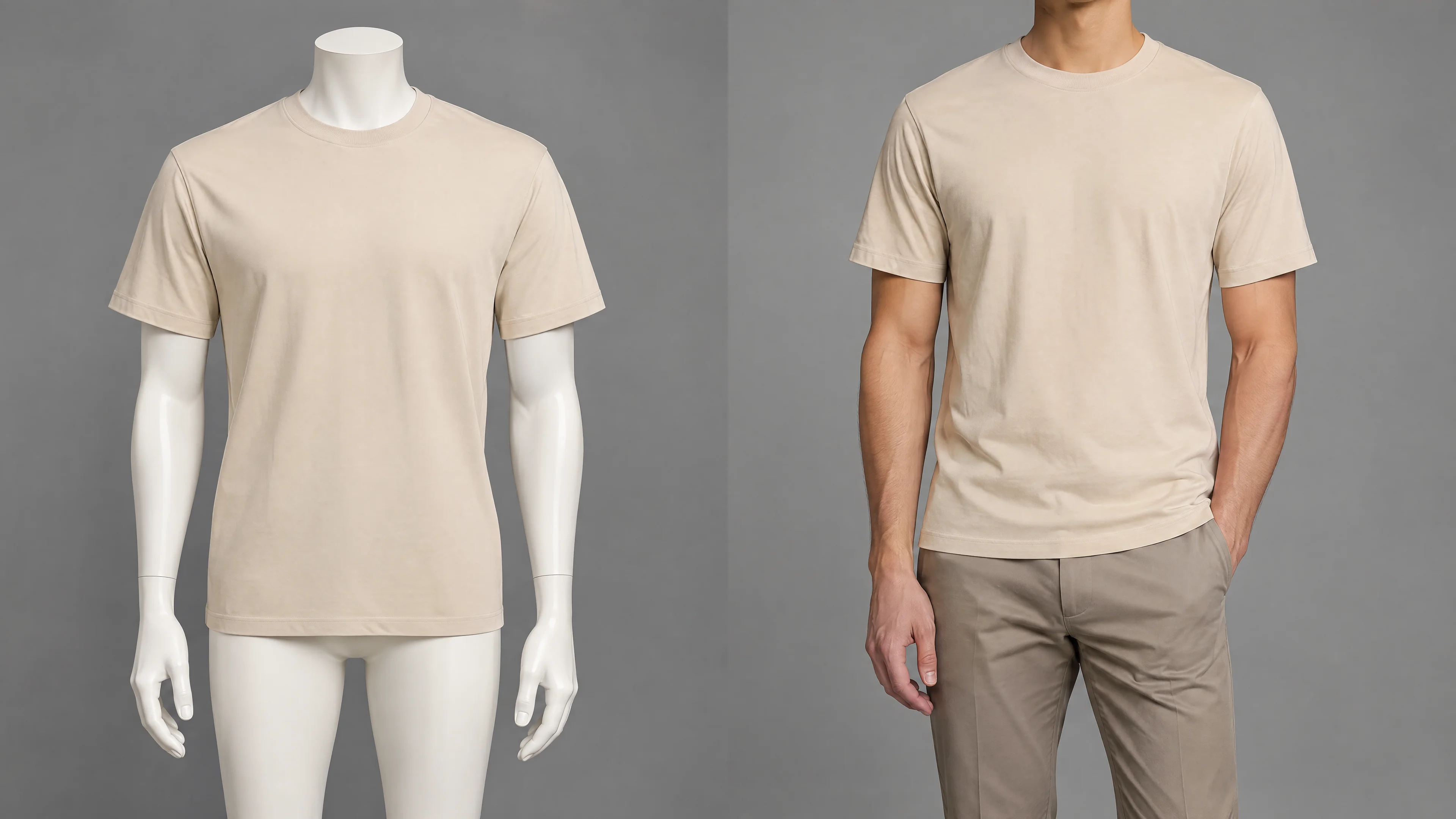
Guide · 13 Oct 2026
Mannequin and flat-lay to on-model at scale
How fashion teams move mannequin and flat-lay packs to on-model catalogue views at volume—without a full reshoot. Compare self-serve AI vs managed production, and what QC must protect.
Read guide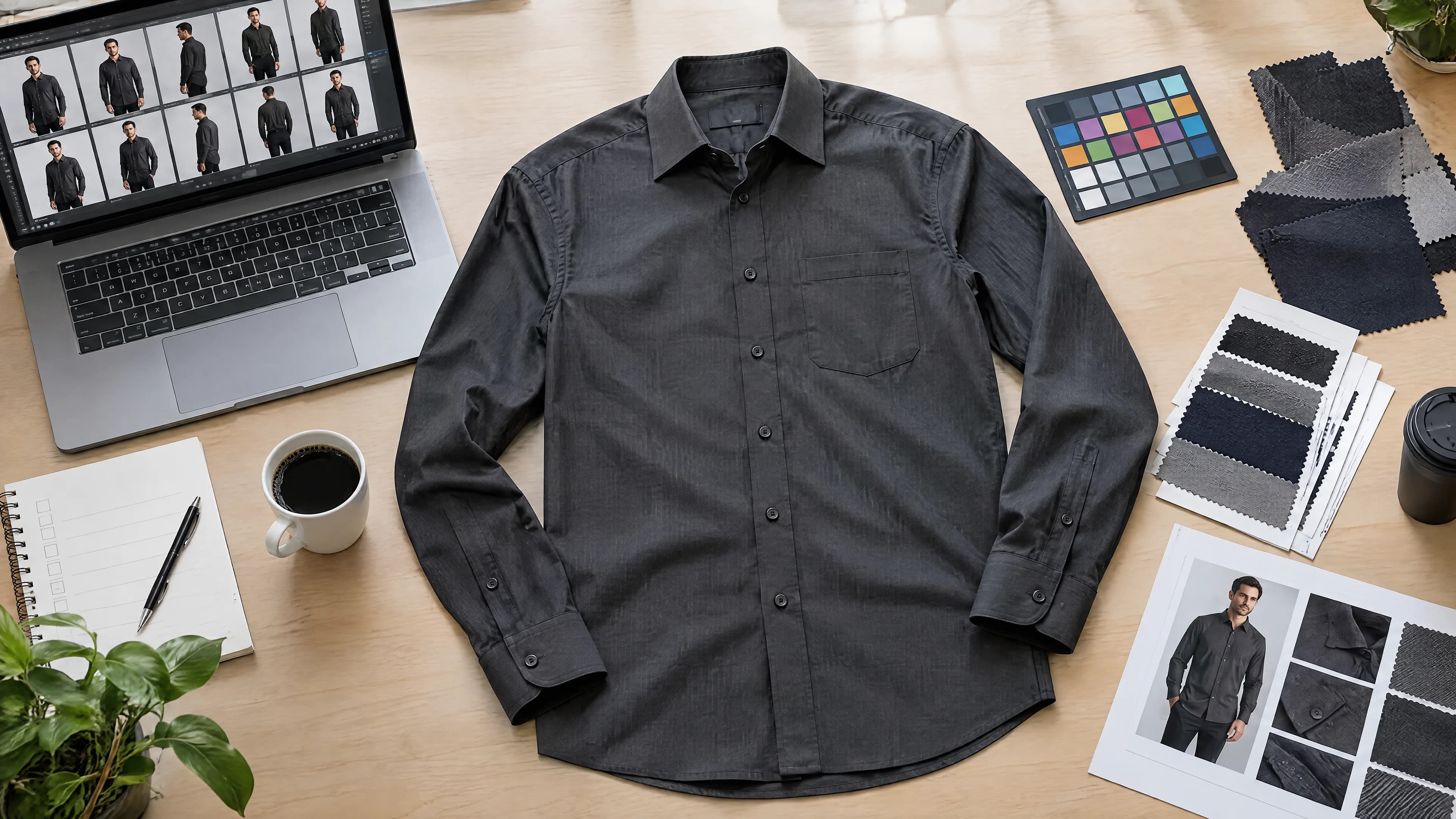
Guide · 7 Oct 2026
AI Fashion Tools vs Managed Production: When Each Route Fits
A criteria-first comparison of self-serve AI fashion image tools and a managed catalogue or campaign studio. Decide by QC ownership, garment fidelity, SLA, identity, campaign coherence, data handling, and cost per approved SKU—not by generation credits.
Read guide
Guide · 7 Oct 2026
Why DIY AI Fashion Images Fail on Garment Fidelity
DIY AI fashion images often fail commercial QC because generation optimises for a plausible look, not locked product truths. Common holds: print and pattern drift, lace or embroidery collapse, colour mismatch, neck-join errors, and silhouette change on hard garments. Self-serve tools fit skilled teams who can review every SKU; managed catalogue production fits when volume needs one accountable QC owner. Use a garment-fidelity checklist before you scale — then decide DIY vs managed on approved output, not sample beauty.
Read guide
Guide · 26 Sept 2026
Google Merchant Center AI Product Images: IPTC DigitalSourceType Compliance
Google Merchant Center allows generative AI product images when they carry IPTC DigitalSourceType metadata identifying AI origin—commonly TrainedAlgorithmicMedia—and that metadata must not be stripped. The same rule applies across image_link, additional_image_link, and lifestyle_image_link. Fashion teams often lose tags in CDN resize or recompression. DIY generation rarely owns end-to-end feed compliance; a managed studio can bake metadata into approved delivery. Pair compliance with garment-fidelity QC before you scale Shopping volume.
Read guide
Guide · 12 Oct 2026
Fashion Catalogue Production Bottleneck: Causes and Fixes
Fashion catalogue production bottlenecks appear when drop calendars and SKU velocity outrun shoot capacity, freelancer bandwidth, or DIY AI review. Generation speed rarely fixes it — intake quality, hard-SKU fidelity holds, identity coherence, and who owns Accept / Rework / Hold do. Self-serve tools fit skilled teams with contained volume; a managed catalogue programme or custom AI production system fits when recurring drops need one accountable delivery owner. Scale on approved units, not generated samples.
Read guide
Guide · 12 Oct 2026
How to Keep the Same AI Model Across Every Product Image
Fashion AI identity lock means keeping one recognisable model identity across SKUs, drops, and campaign families—while garment truths (print, lace, colour, neck, silhouette) stay primary. Random DIY face variation creates catalogue drift; consumer face-swap apps are the wrong frame for commercial books. A governed programme uses a locked reference pack, route rules, and Accept / Rework / Hold QC. Self-serve fits small tests; Custom AI Production Systems fit when identity must hold at catalogue or campaign volume.
Read guide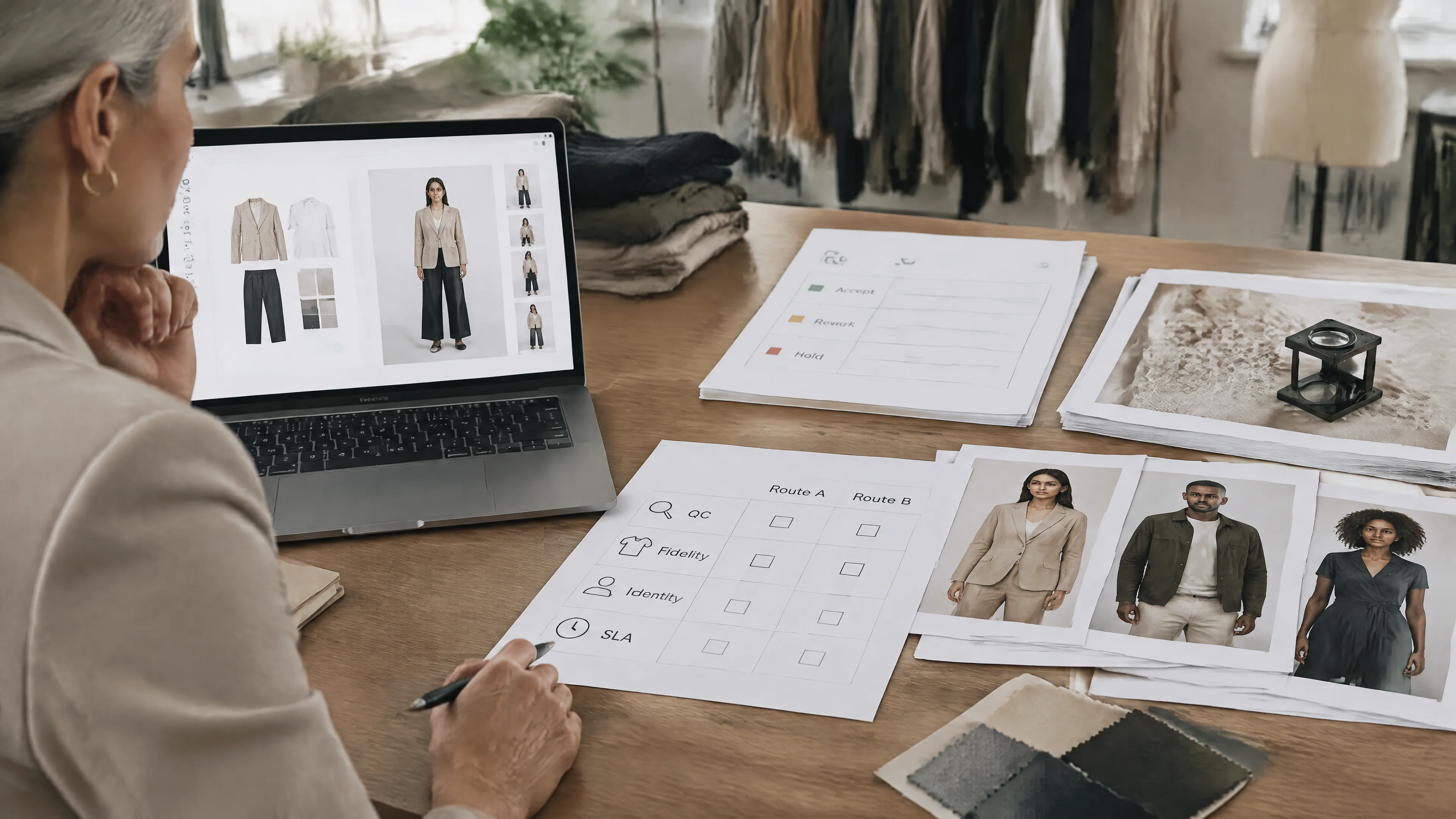
Guide · 12 Oct 2026
Botika vs Claid: How They Differ, and When a Managed Studio Fits
Botika vs Claid comes down to focus. Botika is built only for clothing: it turns flat lays, ghost mannequin and on-model photos into on-model images and video, with a Shopify app. Claid is a broader product-image suite with an API, where AI Fashion is one tool among many. Both now sell managed help: Botika an Enterprise plan and managed account, Claid an AI fashion production service. Neither wins outright. Use either when your team can run generation and review in-house. Compare by cost and time per approved SKU, including QC, not credits.
Read guide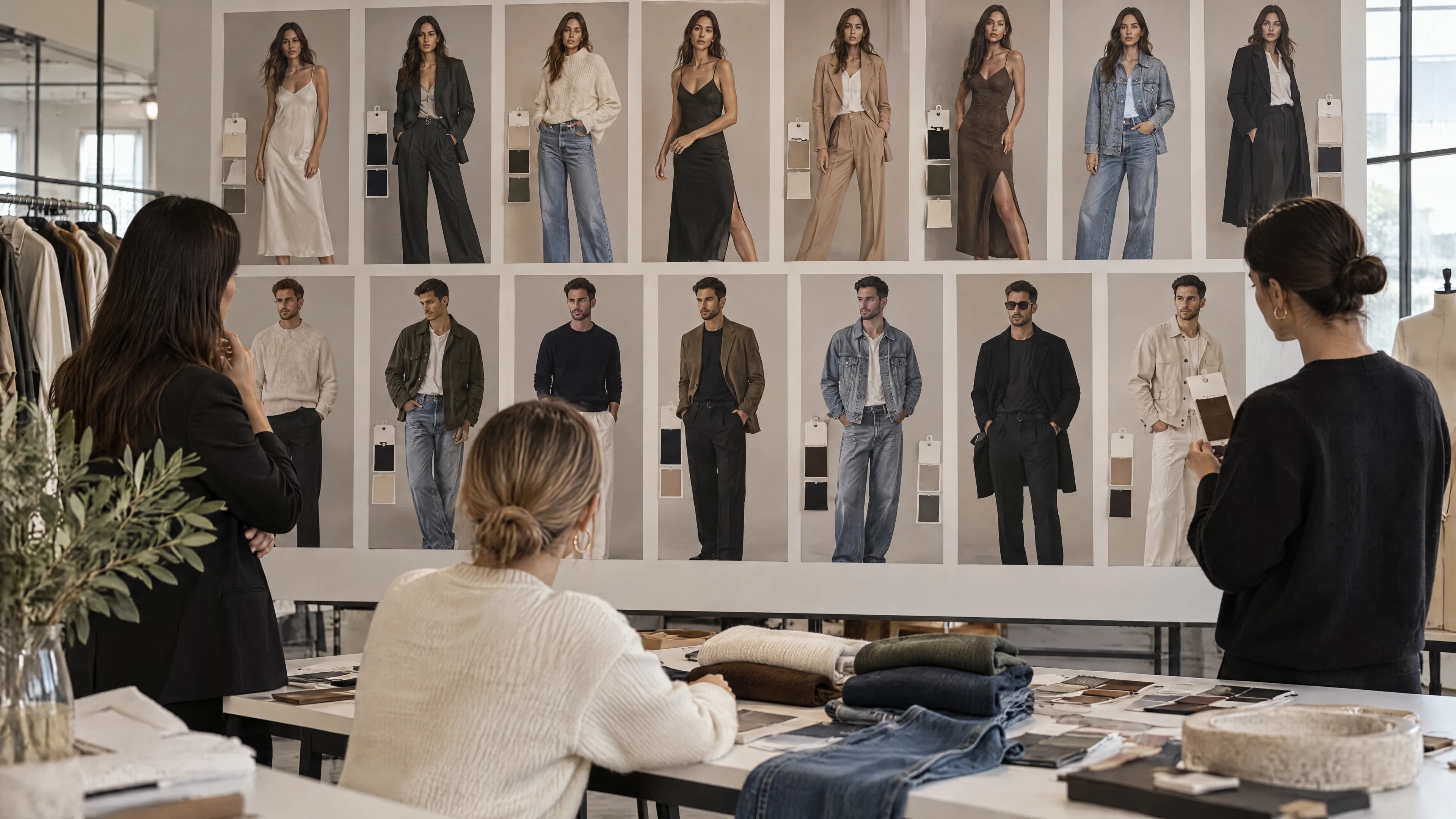
Guide · 12 Oct 2026
Shopify Batch On-Model AI Product Photos: A Programme for Fashion Brands
A Shopify commercial programme for turning mannequin and flat-lay inputs into approved on-model PDP images across a drop calendar, with identity lock, garment fidelity holds and human QC. A managed catalogue route, not a Shopify app.
Read guide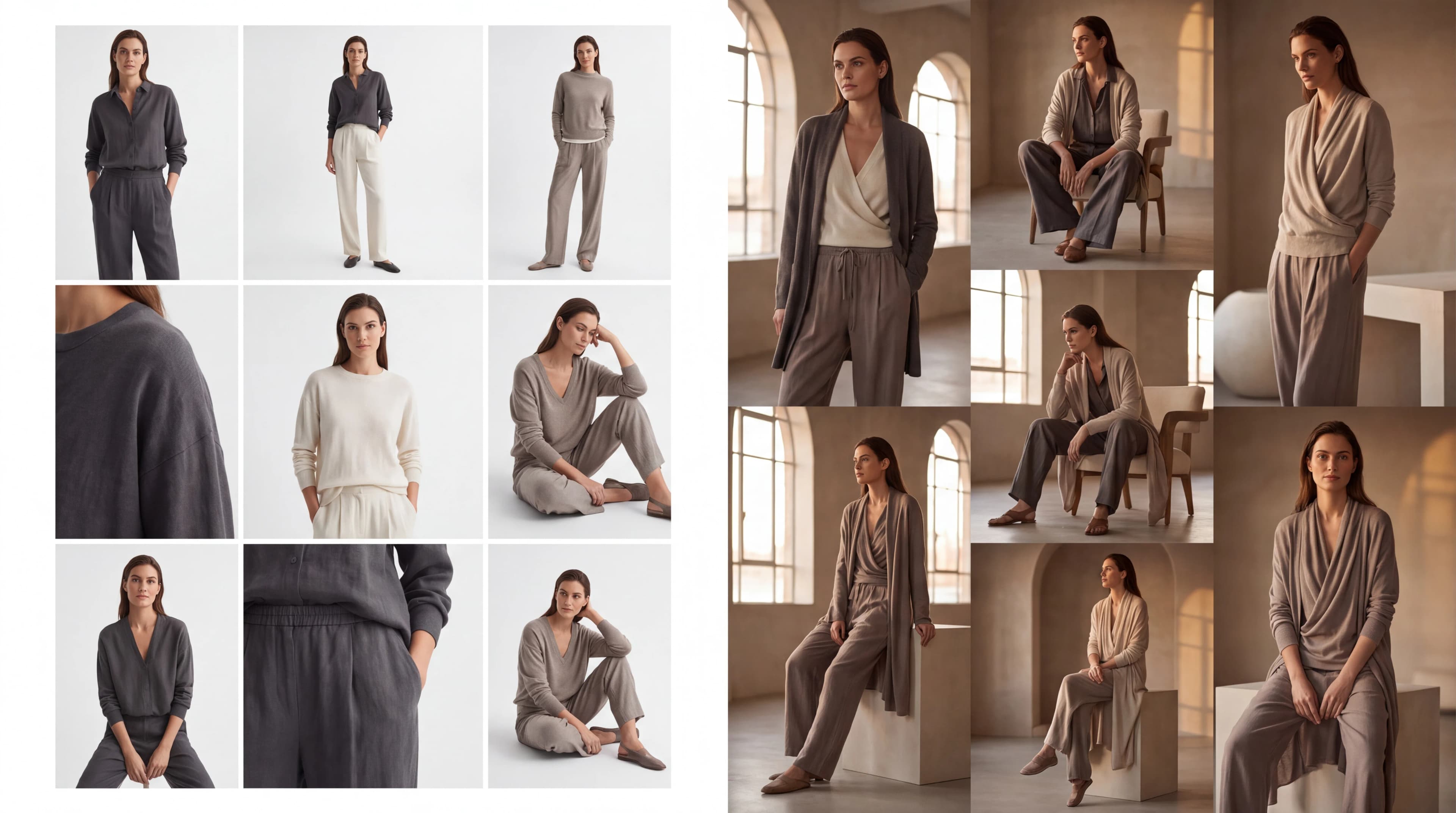
Guide · 12 Oct 2026
AI Campaign vs Catalogue Production: Different Briefs, Families, and Approvals
A route chooser for AI fashion ecommerce: catalogue production is approved product-truth volume, and campaign production is an art-directed image family, with different briefs and approval owners.
Read guide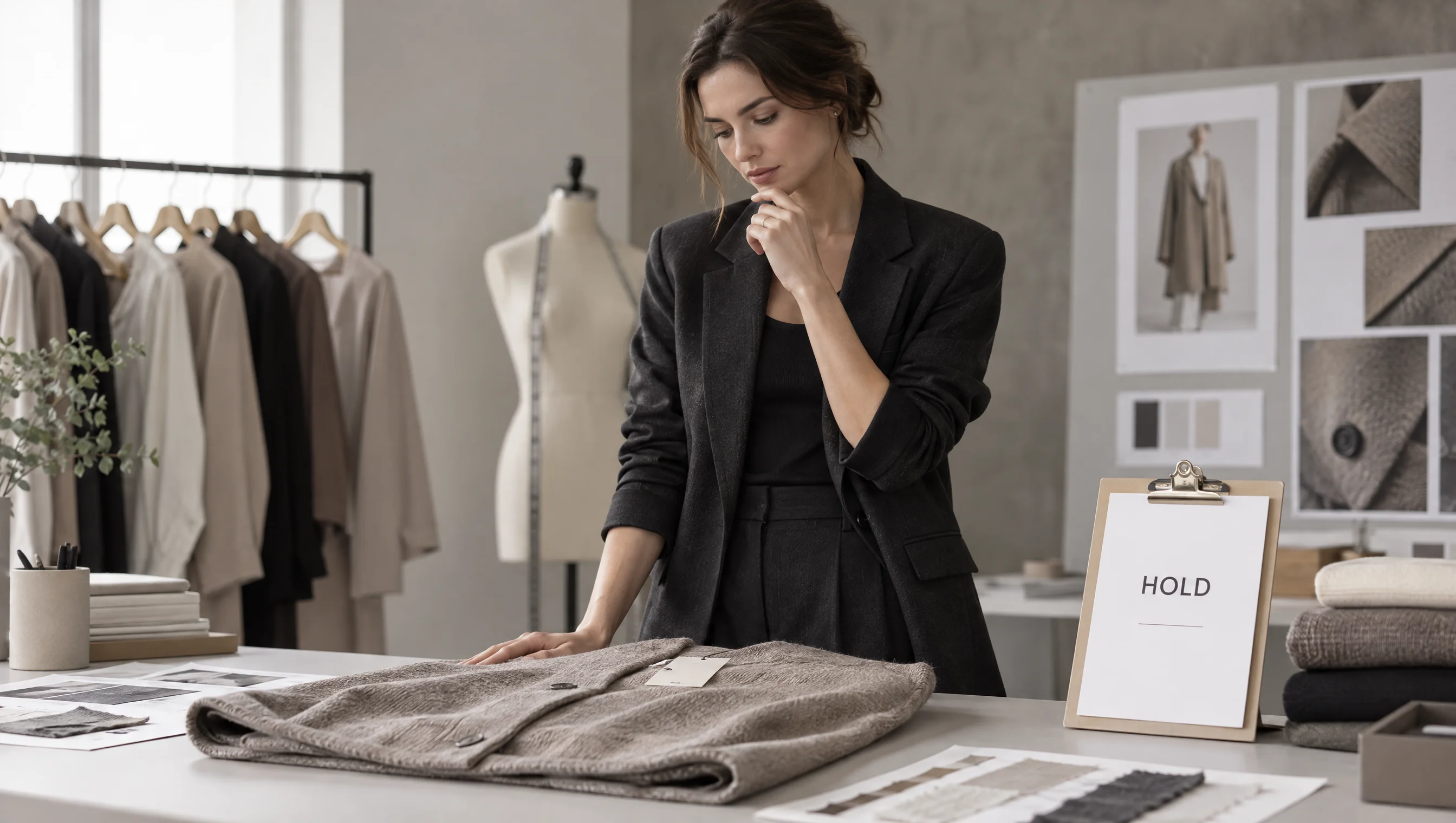
Guide · 26 Sept 2026
When Not to Use AI Fashion Images: A Decision Guide for Brand & Ecommerce Teams
A decision guide for brand and ecommerce teams: when to hold AI fashion images and choose photography, editing, ghost routes, or a managed catalogue programme instead.
Read guide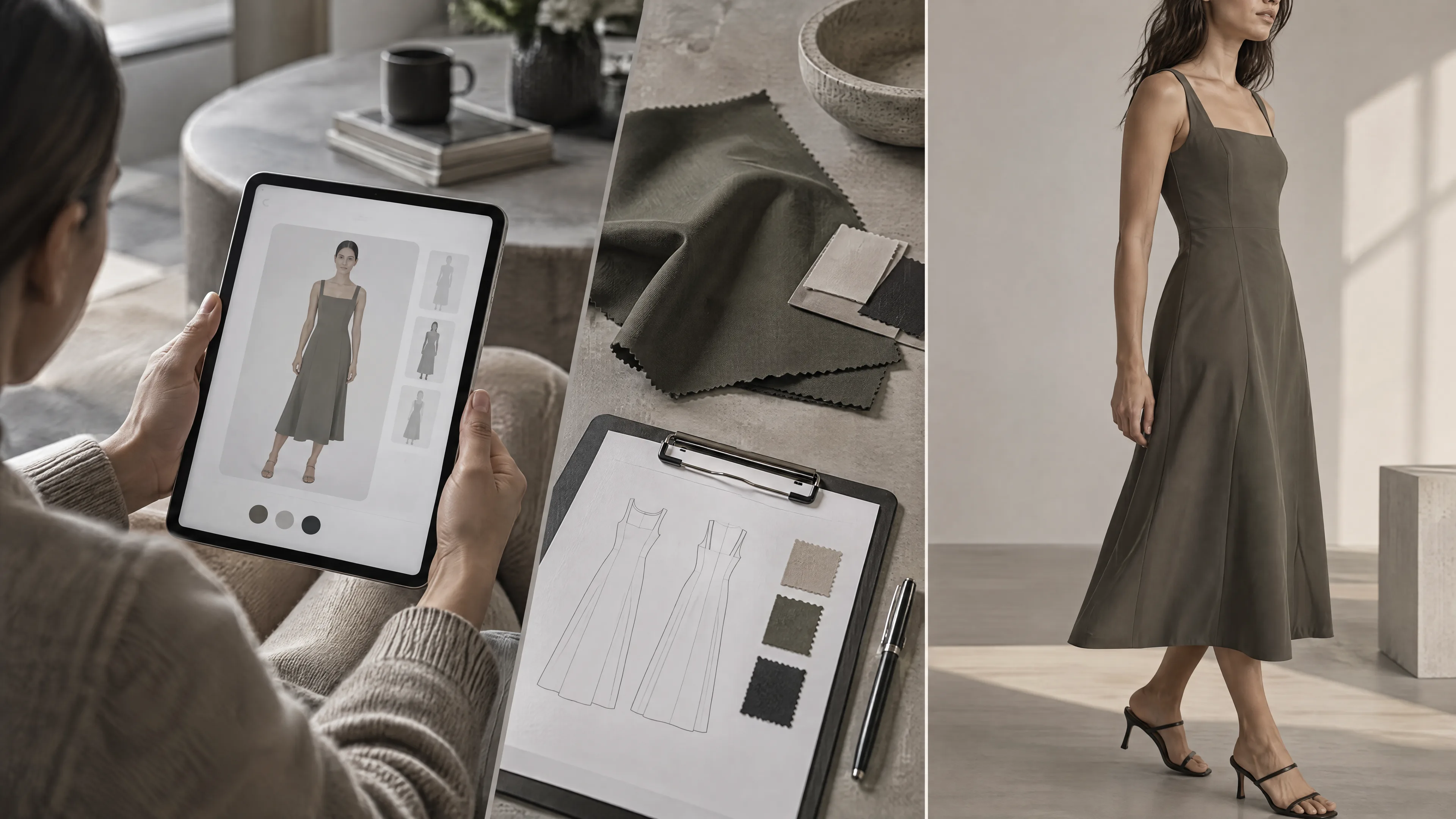
Guide · 26 Sept 2026
Virtual Try-On vs On-Model Catalogue Imagery: Two Jobs, Two Routes
A route guide for fashion teams separating a shopper fit experience from finished on-model catalogue assets, and mapping the imagery job to AI Catalogue, AI Campaign, or Custom Systems.
Read guide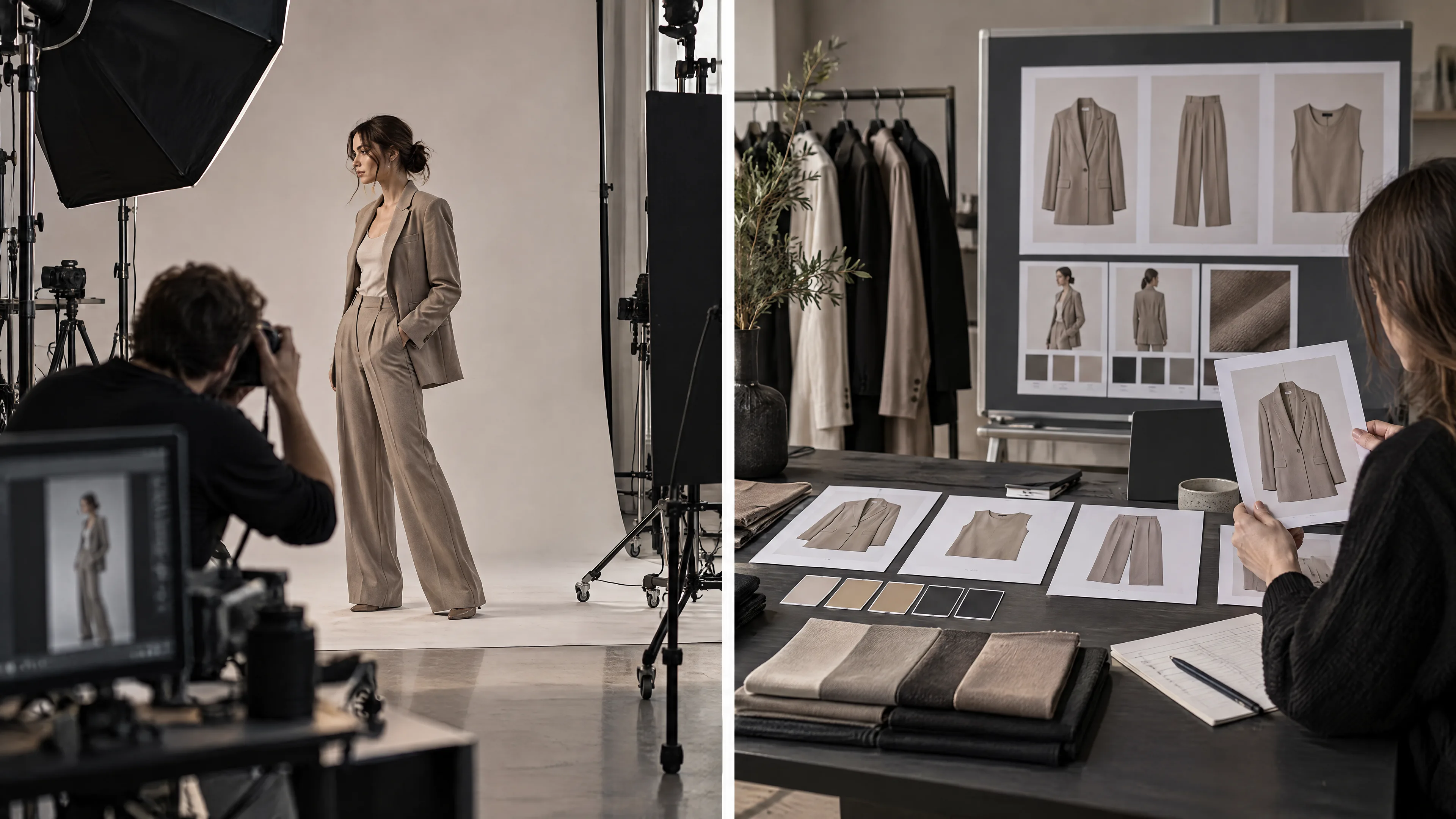
Guide · 26 Sept 2026
Fashion Shoot Cost vs an AI Production Programme: A Buyer Comparison Framework
A buyer comparison of fashion shoot cost drivers and a managed AI production programme: talent, studio, retouch, reshoots, SKU velocity and approval cycles, priced on approved deliverables.
Read guide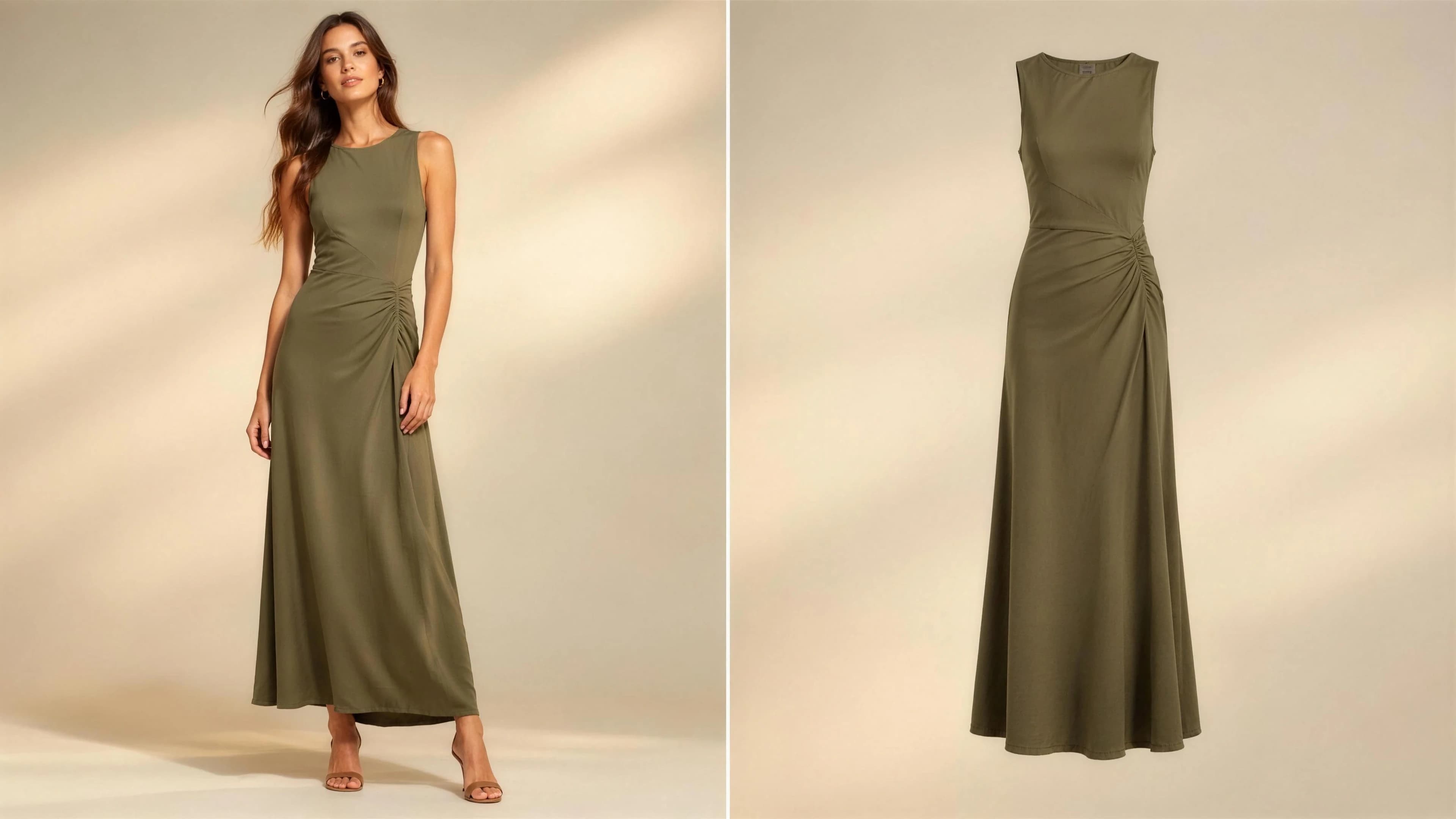
Guide · 13 Oct 2026
WearView & On-Model vs Managed Fashion Production: Criteria That Matter
WearView and On-Model are self-serve on-model tools buyers already search. They fit when a team can run generation and review in-house, especially on contained tests. Managed AI Catalogue Production fits when recurring on-model volume needs locked product truths, human QC before publish, and one owner for exceptions. Compare cost and time per approved file, including review labour. 8M Studio is a managed studio, not a WearView or On-Model dashboard.
Read guide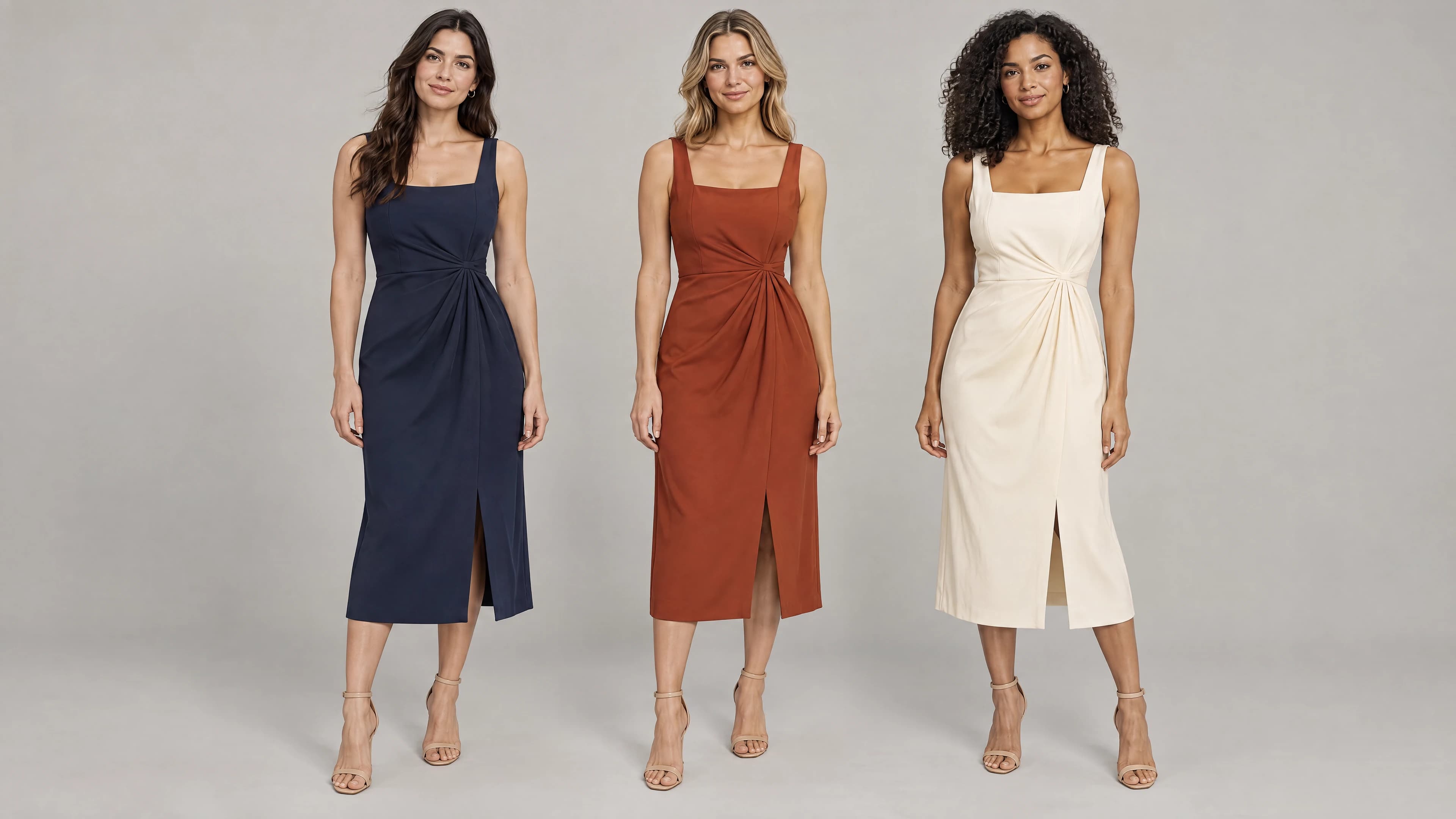
Guide · 4 Oct 2026
AI Colorway Swaps for On-Model Catalogue: A Buyer Decision Guide
AI colorway swaps fit an on-model catalogue when hero colours have approved on-model frames and secondary colourways are stuck as flat-lay, ghost, or placeholder. A usable swap locks true colour against the garment and swatch—not a hex or Pantone label alone—and keeps fabric behaviour (sheen, texture, drape) instead of tinting one photo. A DIY swatch-recolor tool can draft options; a managed programme approves them under Accept, Rework, or Hold. This is a coverage decision, not a savings claim.
Read guide
Guide · 12 Oct 2026
AI Campaign Image Families: How Fashion Brands Keep a Look Consistent
An AI campaign image family is one art-directed set that shares mood, casting, light, set language, and grade across hero and support frames. Consistency comes from locking those visual rules before volume, keeping product truth on hero garments, and reviewing the set together under Accept, Rework, and Hold. Pretty singles are not a family. DIY lookbook tools can draft options; managed AI Campaign Production fits when family coherence and one delivery owner matter more than a credit price.
Read guide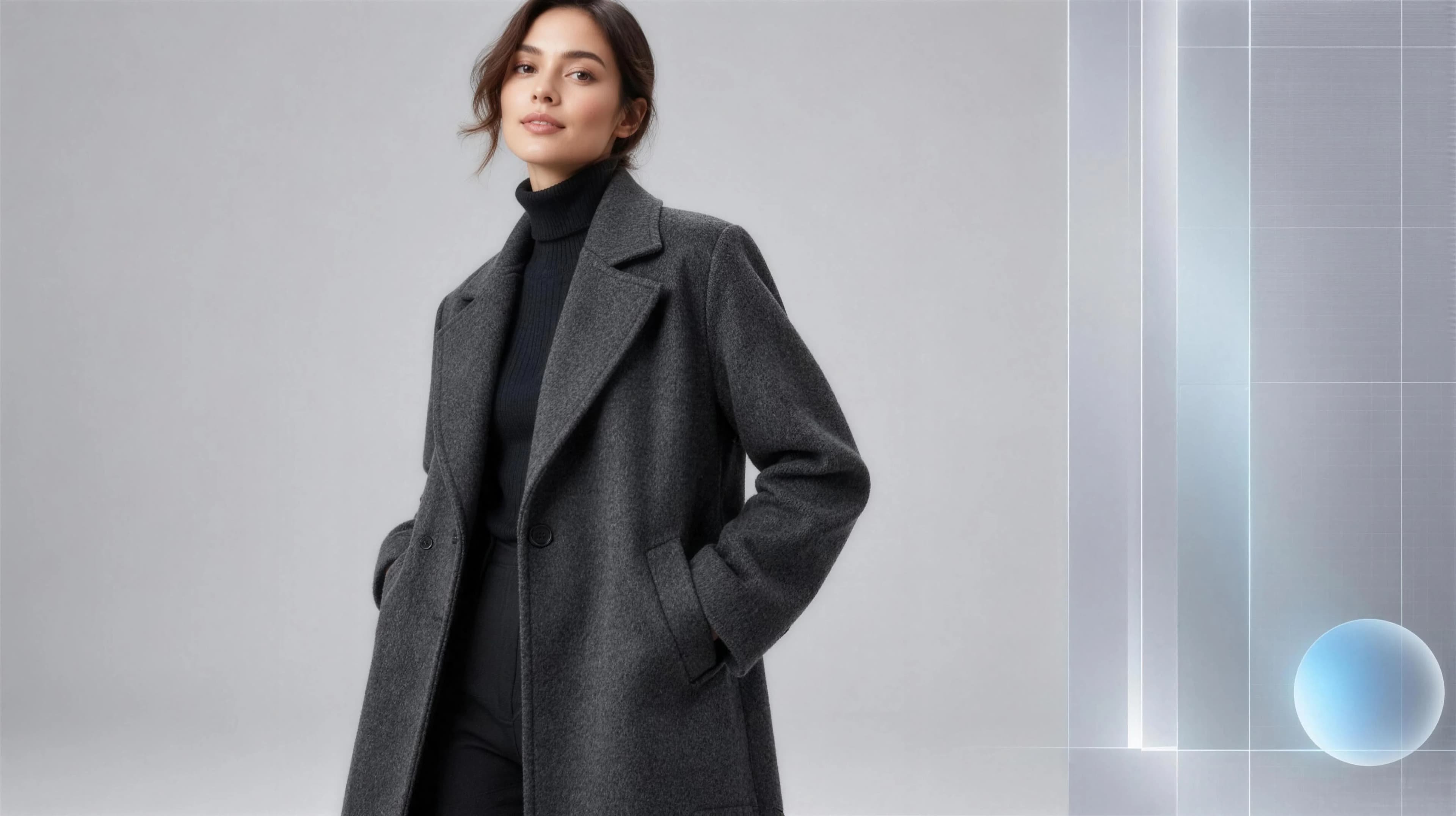
Guide · 6 Oct 2026
EU AI Act Article 50 and AI Fashion Product Images: A Buyer's Guide to Labels and Marking
Article 50 of the EU AI Act, from 2 August 2026, splits fashion-image duties: the AI provider marks the file, and the deployer — usually the brand — shows a visible label when an image is a deepfake. This page triages common jobs from the Commission's own examples.
Read guide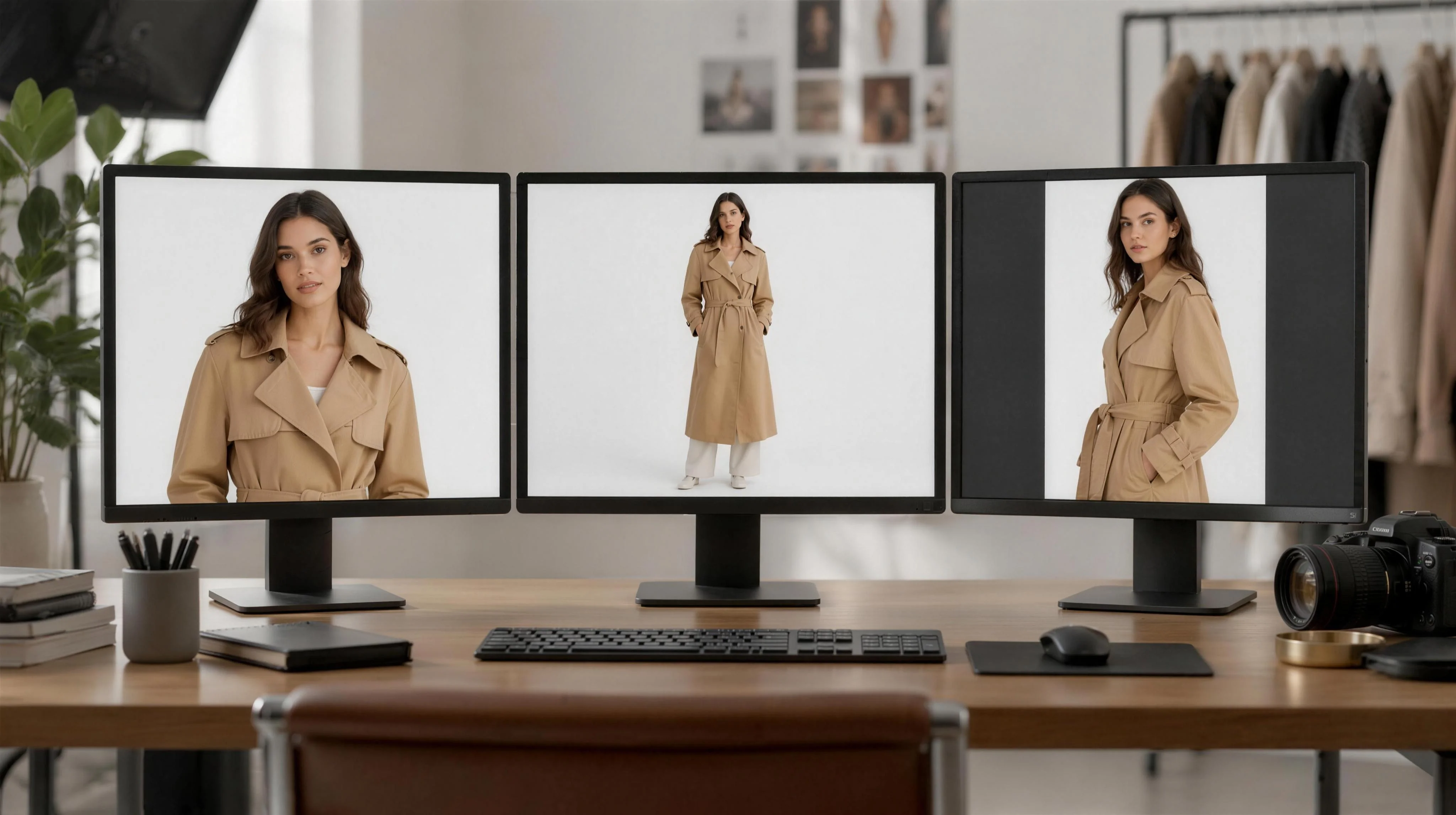
Guide · 7 Oct 2026
Fashion Ecommerce Image Guidelines by Channel
Fashion ecommerce image guidelines are the published rules each sales channel uses to accept product imagery: background, aspect ratio, resolution, on-model versus packshot, and what gets rejected. This page maps Shopify, Amazon Fashion, and Zalando-class marketplace rules into one production matrix. It is orientation, not a portal replacement.
Read guide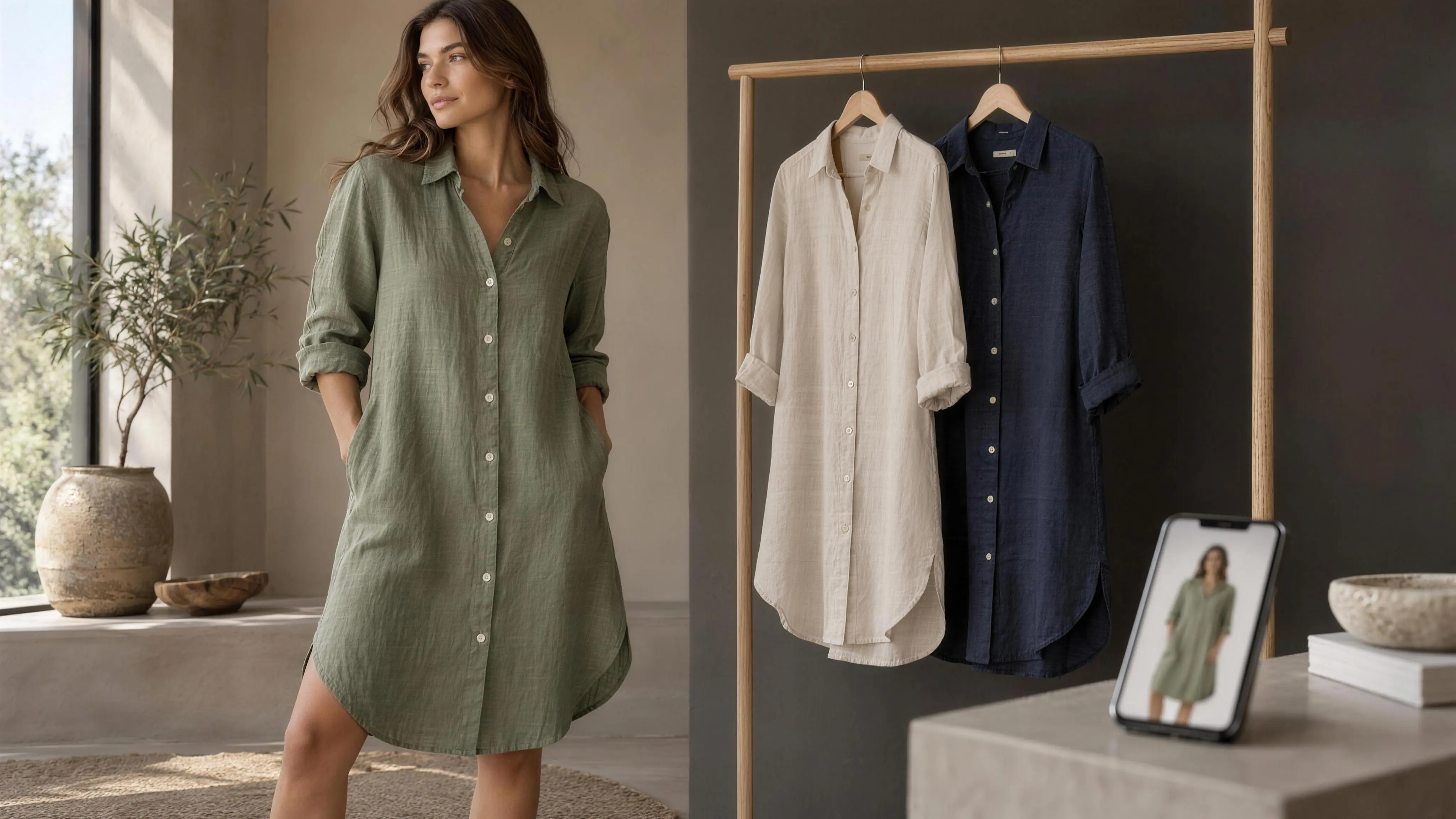
Guide · 6 Oct 2026
ChatGPT Virtual Try-On: What Product Images Fashion Brands Need Now
ChatGPT now shows a Try on button on clothing listings. What fashion brands need now: one accurate main image per colourway, faithful garment detail, and size answers on the page.
Read guide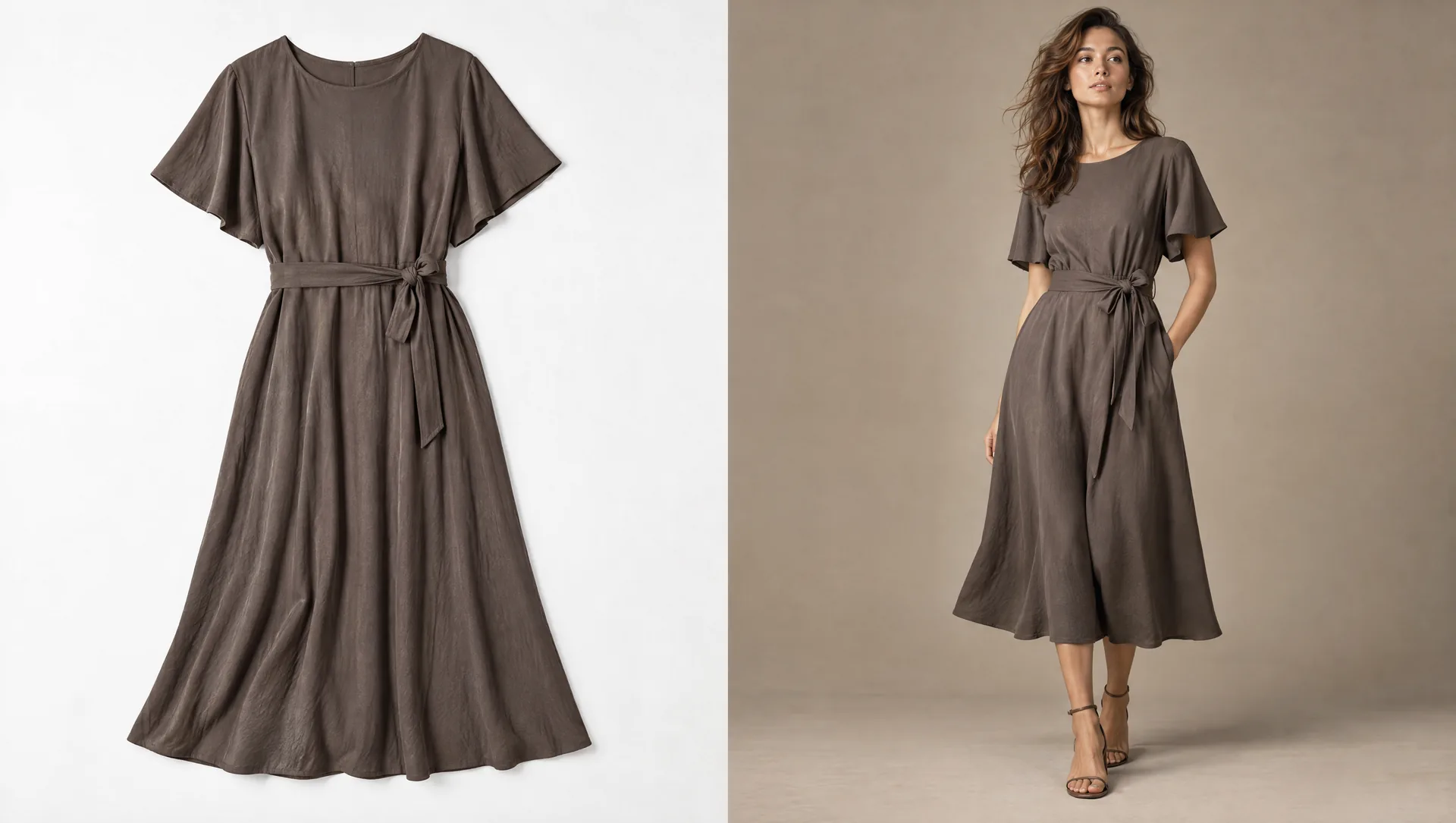
Guide · 7 Oct 2026
Supplier Packshots to On-Model PDP Images: A Buyer’s Guide
Turn supplier and wholesale packshots into consistent on-model PDP images: intake triage, garment fidelity, SKU mapping, and Accept / Rework / Hold — managed catalogue production, not a DIY app.
Read guide
Guide · 8 Oct 2026
Amazon AI-Generated Model Images in Fashion: When to Tag, How to Tag, What to Re-upload
Which AI fashion images need Amazon's contains-synthetic-performer tag, how to add it in bulk with ExifTool, what to re-upload, and how it fits Google and EU AI rules.
Read guide
Guide · 9 Oct 2026
First-Pass Acceptance Rate for AI Fashion Images: How to Measure It and What It Costs
A buyer's guide to the one number that decides AI fashion catalogue cost: how to define it, test it on hard SKUs, turn it into cost per approved uploaded image, and fix it with clear Accept / Rework / Hold ownership.
Read guide
Guide · 13 Oct 2026
Does Your Model Release Cover AI? Model Consent for Fashion Brands Reusing Shoot Photos
Can you use AI on existing real-model shoot photos to show new garments, poses, colourways or settings? Where the line between an edit and a new depiction sits, what Pujols v. Rainbow and New York's Fashion Workers Act add, and what a release should say.
Read guide
Guide · 13 Oct 2026
Flat Lay Photography: What It Is and When to Use It
A plain-English definition of flat lay photography for clothing brands: what the format shows and hides, how it compares with ghost mannequin and on-model images, and when it is the right choice.
Read guide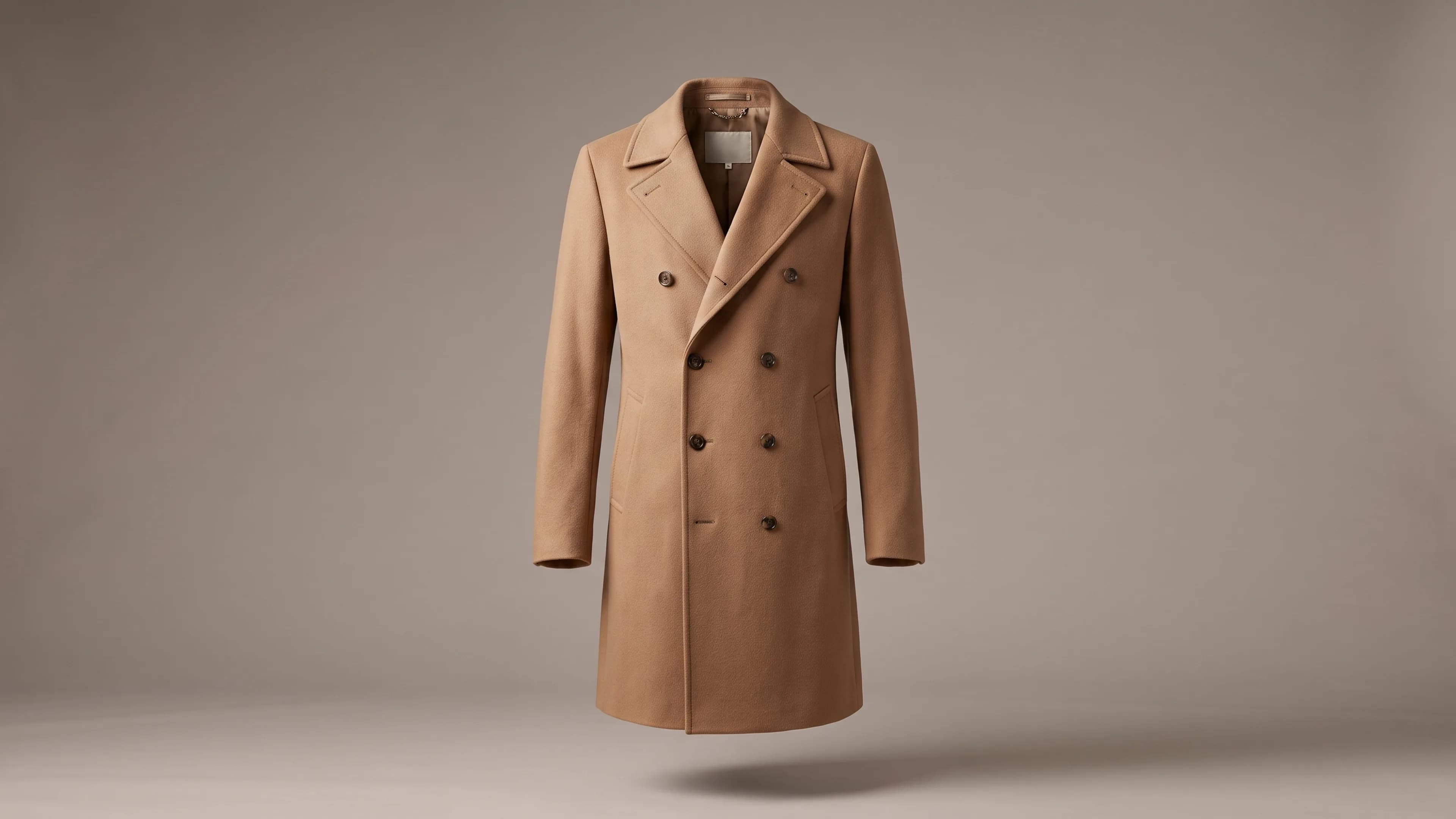
Guide · 13 Oct 2026
What Is Ghost Mannequin Photography?
A plain-English definition of ghost mannequin photography, also called invisible mannequin or hollow man: how the effect is made, worked examples by garment, how it differs from flat lay and on-model, and how to produce it at scale with AI.
Read guide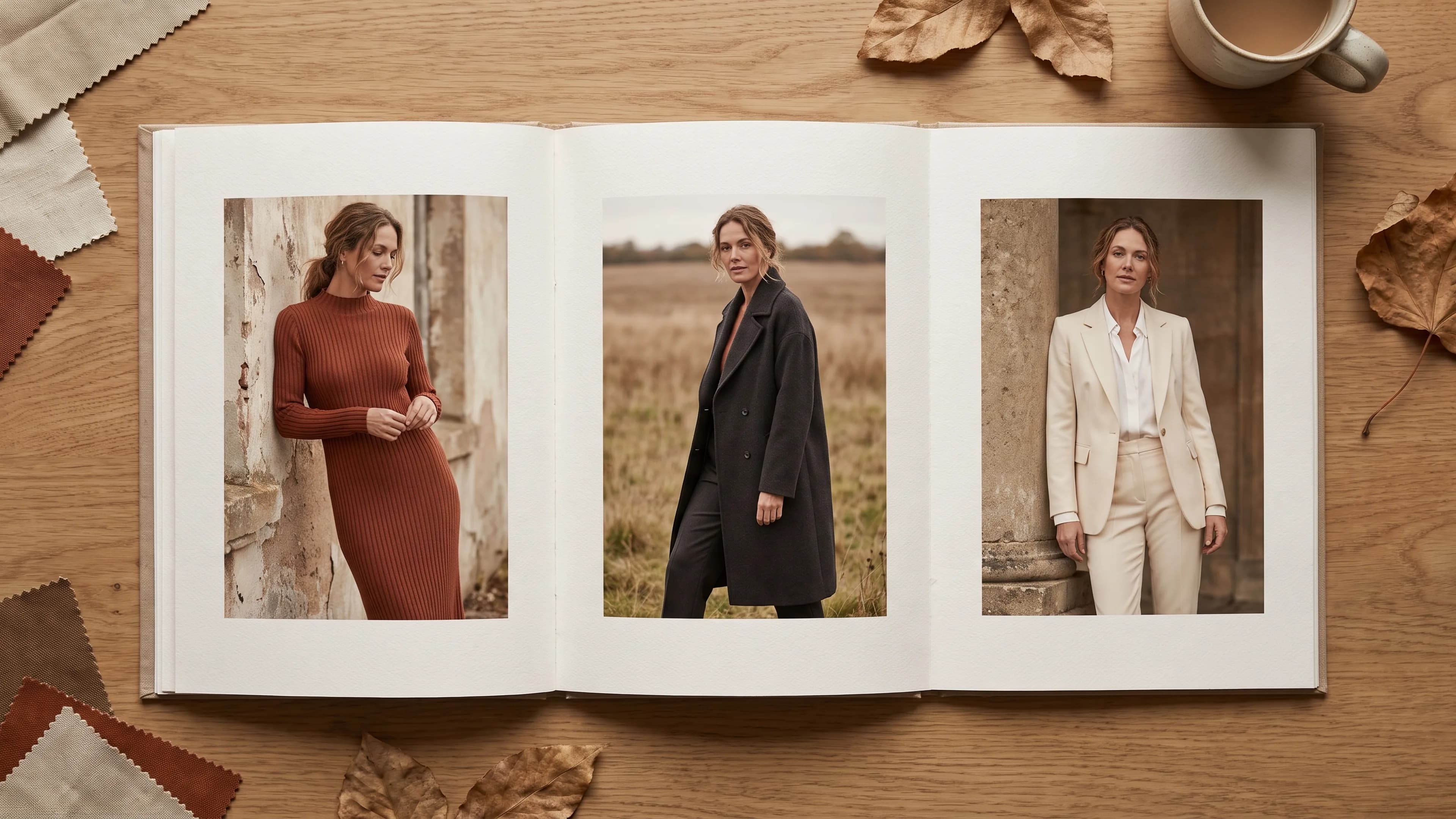
Guide · 13 Oct 2026
AI Lookbook: How to Build a Seasonal Lookbook With One Consistent Model
How to make an AI lookbook that reads as one shoot: the steps from line sheet to approved book, why the model has to stay the same person on every page, a seasonal workflow from planning to reuse, and the jobs where a real shoot is still the better call.
Read guide
Guide · 13 Oct 2026
AI Fashion Models: Self-Serve vs Managed, Licensing and Brand-Owned Characters
An AI fashion model is a photoreal person generated by AI, not photographed, who wears a brand's real garments in ecommerce, catalogue or campaign images. This guide compares self-serve generators with managed production, explains licensing and consent, and covers brand-owned characters that stay the same across a catalogue.
Read guide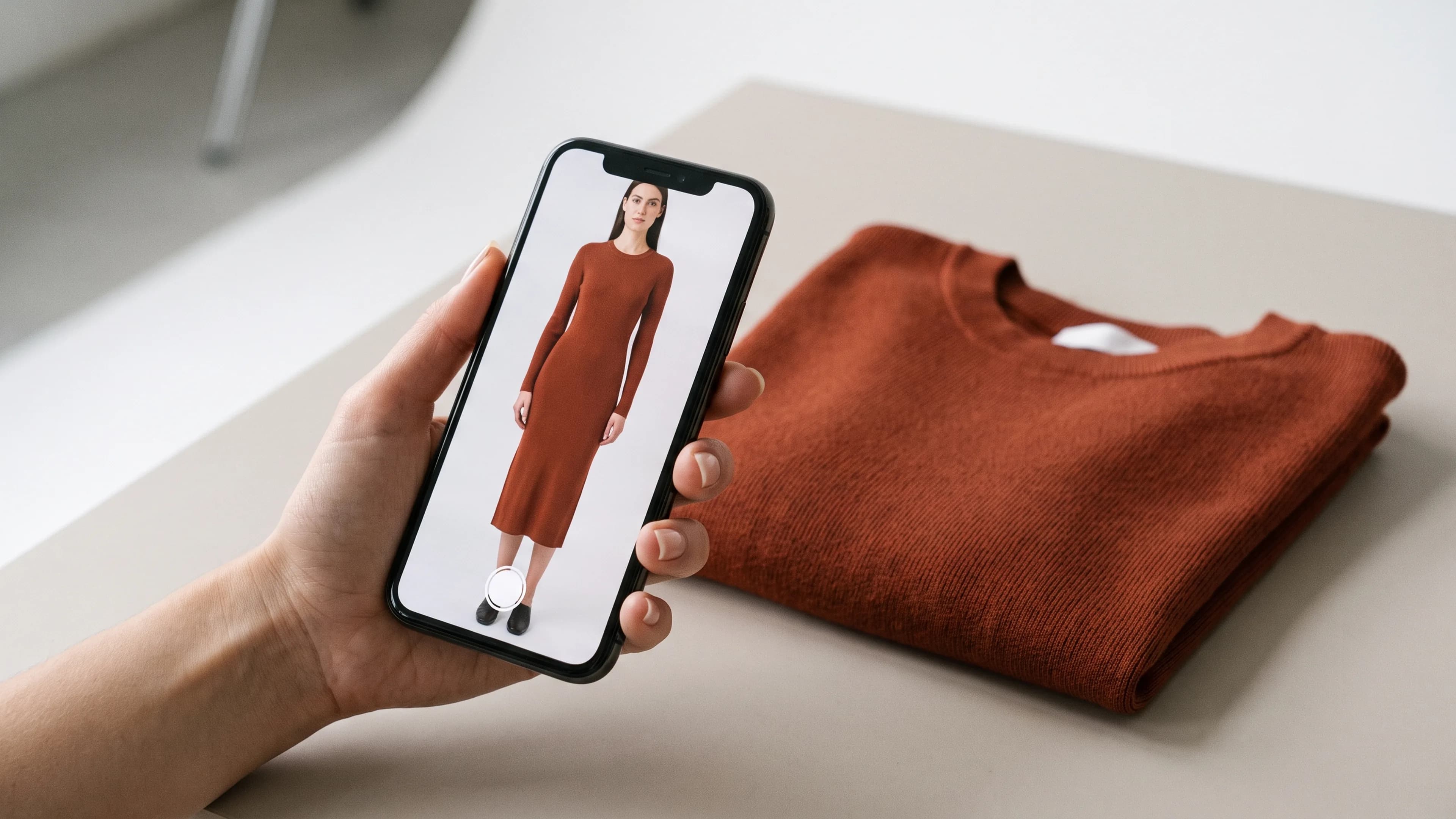
Guide · 13 Oct 2026
What Is Virtual Try-On? Definition, Types and Examples for Fashion
A plain-English definition of virtual try-on for fashion teams: the main types, how AI try-on works from product images, what it is good for, where it stops, and what it takes to support it across a whole catalogue.
Read guide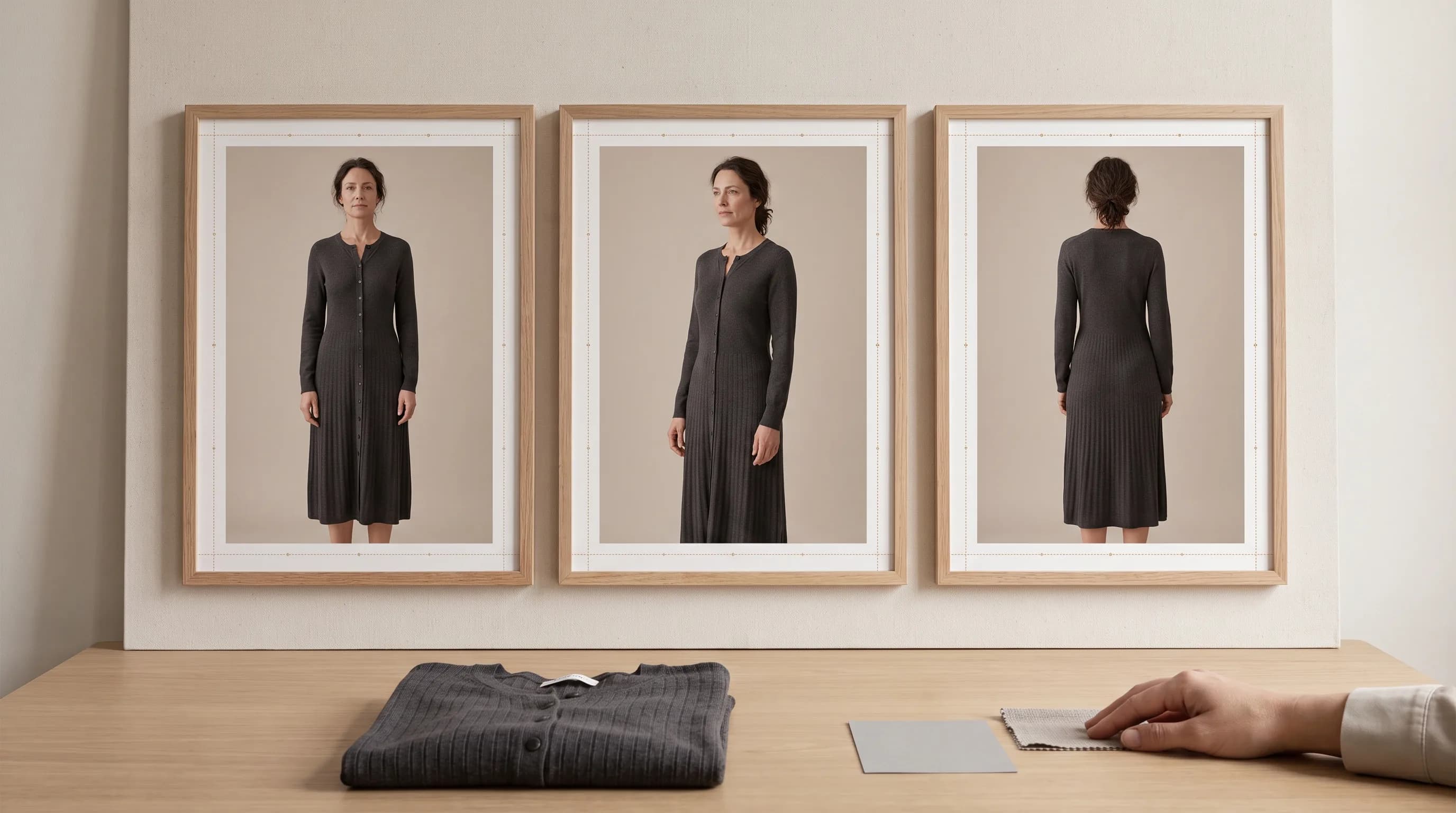
Guide · 13 Oct 2026
Zalando AI-Generated Product Images: What Gets Rejected, Why Labels Are Banned, and Invisible Marking by December 2026
What Zalando rejects in AI-generated product images, why visible AI labels are banned, what invisible marking means by December 2026, and how to keep one model consistent across a set.
Read guide
Guide · 13 Oct 2026
Ecommerce Product Photography Services for Fashion Brands
What the service delivers for each sales channel, what you send, how turnaround and human QC work, what drives the price, and how a paid pilot starts.
Read guide